Philosophy: the most famous cards
The free Wikipedia card game and general-knowledge games
10,016 cards
Mythics 363
 1818 – 1883 German-born philosopher
 384 BC – 322 BC Greek philosopher
 study of questions concerning being, thought, knowledge, and conduct for which no objective answers have been established, using logical reasoning
 c. 428 BC – c. 348 BC 4th-century BC Greek philosopher
 c. 470 BC – 399 BC 5th-century BC Greek philosopher
 1844 – 1900 German philosopher
 Indian philosopher and the founder of Buddhism (623 or 563 BC – 543 or 483 BC)
 c. 551 BC – c. 479 BC 5th-century BC Chinese philosopher and politician
 1821 – 1881 Russian novelist and philosopher
 1724 – 1804 German philosopher
 1596 – 1650 French philosopher, mathematician, and scientist
 c. 1265 – 1321 Florentine poet, writer, and philosopher
 Liberalism political and moral philosophy based on liberty, consent of the governed and equality
 1694 – 1778 French writer, historian and philosopher
 1712 – 1778 Genevan philosopher, writer, and composer
 354 – 430 Christian theologian, philosopher, and saint
 6th century BC – c. 490 BC Greek philosopher and mathematician
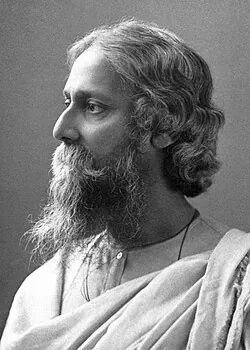 1861 – 1941 Bengali poet, philosopher and polymath
 Kingdom of multicellular eukaryotic organisms
 Science systematic study of the world through testable explanations, empirical evidence, and independent verification
 smallest unit of a chemical element
 1879 – 1955 German-born theoretical physicist
 c. 5 BC – AD 30 central figure of Christianity (c. 6 or 4 BC – AD 30 or 33)
 1564 – 1616 English playwright and poet
… and 339 more Mythic cards to discover in the game.
The 10,016 cards of Did you know Cards linked to “Philosophy”, those closest to the topic first, then by fame (how often their Wikipedia article is read, and in how many languages): Karl Marx, Aristotle, Philosophy, Plato… The more famous the subject, the rarer its card.
Legendaries 2,726
 Materialism form of philosophical monism that holds matter to be the fundamental substance in nature
 Positivism philosophy of science based on the view that information derived from scientific observation is the exclusive source of all authoritative knowledge
 movement of art, culture, philosophy and architecture
 philosophical tradition
 philosophical view that reality is immaterial
 Dharma key concept in Indian philosophy and Eastern religions, with multiple meanings
 Pantheism religious and/or philosophical doctrine
 Mythology collection of sacred stories or a set of beliefs belonging to a specific religious or cultural tradition
 Sovereignty supreme authority within a territory, as well as external autonomy from other states
 Probability measure of the expectation that an event will occur or a statement is true
 Set well-defined mathematical collection of distinct objects
 mental faculty
 Citizenship enjoyment by a citizen of civil and political rights of a polity, as well as incurring of duties
 statement that, despite apparently valid reasoning from true premises, leads to an apparently-self-contradictory conclusion
 inner structure of sentences and the linguistic field that studies it
 Nirvana soteriological goal within the Indian religions
 branch of mathematics that studies sets, which are collections of objects
 Empiricism theory that states that knowledge comes only or primarily from sensory experience
 contemplative and rational type of abstract or generalizing thinking, or the results of such thinking
 psychological characteristics of an individual (usually referring to only humans)
 Axiom statement of a theory that is taken to be true
 Hypothesis proposed explanation for an observation, phenomenon, or scientific problem
 Virtue morally positive trait or quality deemed to be morally good
 Cognition mental action or process of acquiring knowledge and understanding through thought, experience, and the senses
… and 2,702 more Legendary cards to discover in the game.
Epics 3,406
- Environmental ethics — part of environmental philosophy
- Subjectivism — philosophical position according primacy to human mental activity, rather than shared or communal ones
- African philosophy — philosophy of African thought systems
- Christina Hoff Sommers — American author and philosopher
- Alterity — philosophical concept of not belonging to a particular group of people or group identity, or an excluded individual participating in and internalizing exclusion onto the self
- Self-realization — an expression used in Western psychology, philosophy, and spirituality regarding fulfillment by oneself of the possibilities of one's character or personality
- Critical philosophy — viewpoint according to which the primary task of philosophy is criticism (judging as to the possibilities of knowledge), rather than justification of knowledge
- Water (classical element) — classical element in philosophy and cosmology
- Air (classical element) — classical element in philosophy and cosmology
- 19th-century philosophy — overview of philosophy-related events during the 19th century
- Platonic dialogue — philosophical dialogue attributed to Plato
- Punctuality — ability to complete a task on time
- Iḥsān — excellence and piety in Islam and Sufism
- Balance of nature — ecological theory
- Advance health care directive — legal document in which a person specifies what actions should be taken for their health if they are no longer able to make decisions for themselves because of illness or incapacity
- Sociological theory — theory advanced by social scientists to explain facts about the social world
- Community service — non-paying job for the benefit of community
- Media bias — bias within the mass media
- Change — process, event or action that deviates from the present state
- History of logic — aspect of history
- Waḥy — revelation in Islam
- Work ethic — belief in the virtues of labor
- Sentimentality — appeal to shallow, uncomplicated emotions at the expense of reason
- Grammatical category — analytical class within the grammar of a language
… and 3,382 more Epic cards to discover in the game.
Related topics
- Philosophers 4,376 cards
- Political philosophy 1,646 cards
- Contemporary philosophy 2,080 cards
- Religion 15,969 cards
- Ethics 1,137 cards
- Sociology 6,891 cards
- Philosophy of religion 1,018 cards
- Psychology 6,840 cards
- Modern philosophy 990 cards
- Literature 25,376 cards
- Philosophical literature 863 cards
- Ancient philosophy 633 cards


In the Science booster
 Science 282,135 cards ›
Player albums: Philosophy
- Scientifiques — by Ouziel
About
Mythic 363 · Legendary 2,726 · Epic 3,406 · Rare 2,801 · Common 720
Fame score: Wikipedia page views (July 2015 – October 2026, 39 languages). Updated .
See also: The 100 most famous philosophers
All these cards are won by opening boosters in Did you know Cards, the free card game where you learn as you play. All topics ›
All 10,016 “Philosophy” cards in the game