Psychology: the most famous cards
The free Wikipedia card game and general-knowledge games
6,840 cards
Mythics 147
 Schizophrenia psychotic disorder characterized by emotional responsiveness and disintegration of thought process
 Cannabis psychoactive herb from the Cannabis plant used for medical or recreational purposes
 theory in developmental psychology proposed by Abraham Maslow, comprising a five-tier model of human needs: physiological, safety, love and belonging, esteem, and self-actualization
 Psychosis abnormal condition of the mind that involves hallucinations and delusions and is a symptom of any of various disorders or other causes
 form of psychological abuse and manipulation that makes a person doubt their own perception of reality, memory or judgement
 concept of psychoanalytic theory; a child's unconscious sexual desire for the opposite-sex parent and hatred for the same-sex parent
 Post-traumatic stress disorder psychiatric disorder that developed after experiencing or witnessing a terrifying or life-threatening event
 1856 – 1939 Austrian psychiatrist and founder of psychoanalysis
 study of mental functions and behaviours
 1875 – 1961 Swiss psychiatrist and psychotherapist
 Pansexuality sexual or romantic attraction to people regardless of gender
 Bisexuality sexual and/or romantic attraction to people of more than one gender
 personality disorder characterized by variability of moods and unstable relationships
 excess of self-esteem and self-love
 relationship between people who have mutual affection for each other
 any organic compound in which the hydroxyl functional group (–OH) is bound to a saturated carbon atom
 2 genders only and you like the opposite one
 enduring pattern of sexual attraction
 neurological condition
 sum or aggregate of all that is real or existent
 Medicine field of study for diagnosing, treating and preventing disease
 biological states associated with the nervous system
 naturally recurring resting state of mind and body
 philosophy of negation towards concepts, meaning, or life
… and 123 more Mythic cards to discover in the game.
The 6,840 cards of Did you know Cards linked to “Psychology”, those closest to the topic first, then by fame (how often their Wikipedia article is read, and in how many languages): Schizophrenia, Cannabis, Maslow's hierarchy of needs, Psychosis… The more famous the subject, the rarer its card.
Legendaries 1,875
 psychological characteristics of an individual (usually referring to only humans)
 Neurosis term and disease in psychology
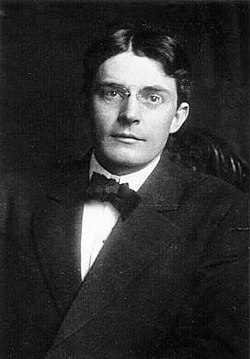 a systematic approach to psychology based on understanding the behavior of humans and other animals
 term used in psychology to reflect a person's overall emotional evaluation of their own worth
 pseudo-scientific approach to communication, personal development, and psychotherapy
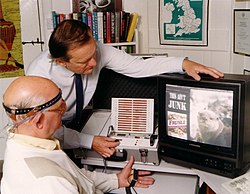 Psychologist professional who evaluates, diagnoses, treats, and studies behavior and mental processes
 outdated concept about alleged psychiatric patients, which attributes to them exaggerated and impulsive behavior, the purpose of which is supposedly to attract attention and which supposedly makes its debut in adolescence
 unpleasant complex combination of emotions that includes fear, apprehension and worry, and is often accompanied by physical sensations such as palpitations, nausea, chest pain and/or shortness of breath
 emotion induced by perceived danger or threat
 mental faculty
 inability to sleep peacefully
 range of actions by entities, living or not, within a system
 Virtue morally positive trait or quality deemed to be morally good
 Antisocial personality disorder personality disorder that involves a pervasive pattern of disregard for other people
 Conflict a situation in which unacceptable differences in interests, expectations, values, or opinions occur between individuals or groups
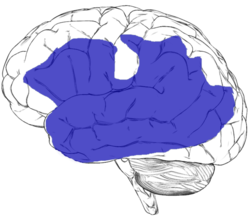 Aphasia inability to comprehend or formulate language
 Wisdom deep understanding or knowledge of a subject
 maladaptive patterns of behavior
 human sleep disorder that involves an excessive urge to sleep and other neurological features
 physiological capacity of organisms that provides data for perception
 Anxiety disorder cognitive disorder with an excessive, irrational dread of everyday situations
 ability to identify, assess, and control the emotions of oneself, of others, and of groups
 type of dizziness
 type of eating disorder
… and 1,851 more Legendary cards to discover in the game.
Epics 2,235
- Reliability — consistency of a measure in psychometrics and statistics, that is if it produces similar results under consistent conditions
- Expectancy theory — psychological theory
- Theory of planned behavior — in psychology, a theory that links one's beliefs and behavior
- Homosexuality and psychology — psychological study of gay and lesbian sexuality
- Group psychotherapy — form of psychotherapy in which one or more therapists treat a small group of clients together as a group
- Anger management — psycho-therapeutic program for anger prevention and control
- Psychopharmacology — study of the effects drugs have on mood, sensation, thinking, and behavior
- Diathesis–stress model — psychological theory that attempts to explain a disorder, or its trajectory, as the result of an interaction between a predispositional vulnerability, the diathesis, and stress caused by life experiences
- James–Lange theory — theory in Psychology
- Structuralism (psychology) — school of psychology
- Genogram — detailed family trees used in medicine and social work with a pictorial display of a person's family relationships and medical history that visualizes hereditary patterns and psychological factors that punctuate relationships
- Child and adolescent psychiatry — branch of psychiatry
- Occupational stress — tensions related to workplace responsibilities or situations, and their negative health and psychological effects
- History of psychiatry — historical perspective on psychiatry
- INTJ — Myers-Briggs Type Indicator type
- Cooperative learning — educational approach
- INFP — Myers-Briggs personality type
- Kinesics — interpretation of body motion communication such as facial expressions and gestures, nonverbal behavior related to movement of any part of the body or the body as a whole
- Sensation — body's detection of external or internal stimulation
- INTP — Myers-Briggs personality type
- Decision — result of deliberation
- Experiential learning — process of learning through experience, which is distinct from rote or didactic learning
- Somatization disorder — somatoform disorder that involves persistently complaints of varied physical symptoms that have no identifiable physical origin
- Projective test — type of personality test designed to let a person respond to ambiguous stimuli, presumably revealing hidden emotions and internal conflicts projected by the person into the test
… and 2,211 more Epic cards to discover in the game.
Related topics
- Sociology 6,891 cards
- Neuroscience 2,620 cards
- Philosophy 10,016 cards
- Sexology and sexuality 3,788 cards
- Psychiatry 598 cards
- Disability 6,326 cards
- Skepticism 2,509 cards
- Ethics 1,137 cards
- Autism 866 cards
- Political philosophy 1,646 cards
- Neurology 865 cards
- Psychoanalysis 288 cards


In the Science booster
 Science 282,135 cards ›
About
Mythic 147 · Legendary 1,875 · Epic 2,235 · Rare 1,833 · Common 750
Fame score: Wikipedia page views (July 2015 – October 2026, 39 languages). Updated .
All these cards are won by opening boosters in Did you know Cards, the free card game where you learn as you play. All topics ›
All 6,840 “Psychology” cards in the game