Philosophy of religion: the most famous cards
The free Wikipedia card game and general-knowledge games
1,018 cards
Mythics 59
 religious or philosophical tradition of Chinese origin
 belief in God without revelation
 1844 – 1900 German philosopher
 social-cultural system
 1483 – 1546 German priest and theologian
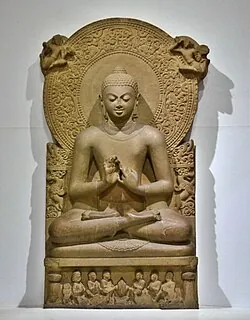 Indian philosopher and the founder of Buddhism (623 or 563 BC – 543 or 483 BC)
 c. 551 BC – c. 479 BC 5th-century BC Chinese philosopher and politician
 354 – 430 Christian theologian, philosopher, and saint
 1225 – 1274 Italian Dominican friar, philosopher, Catholic priest, and Doctor of the Church
 Indian religion
 Islamic law
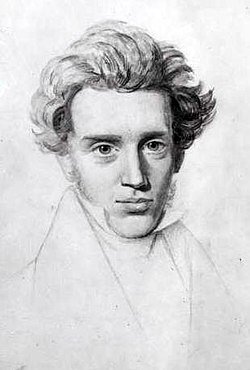
 1813 – 1855 Danish theologian, philosopher, poet and social critic
 type of traditional narrative
 Karma spiritual concept
 belief that there is only one god
 1548 – 1600 Italian Dominican friar, philosopher and mathematician
 1466 – 1536 Dutch Renaissance humanist, Catholic priest, and theologian
 Theology study of the nature of deities and religious beliefs
 school of Mahāyāna Buddhist Tradition
 1058 – 1111 Persian Sunni Muslim scholar and mystic
 1713 – 1784 French Enlightenment philosopher writer and encyclopædist
 1931 – 1990 Indian guru and leader of the Rajneesh movement
 1842 – 1910 American philosopher, psychologist, and pragmatist
 c. 788 – 820 Indian philosopher and theologian who consolidated the doctrine of Advaita Vedanta and revitalized Sanskrit scholasticism
… and 35 more Mythic cards to discover in the game.
The 1,018 cards of Did you know Cards linked to “Philosophy of religion”, those closest to the topic first, then by fame (how often their Wikipedia article is read, and in how many languages): Taoism, Deism, Friedrich Nietzsche, Religion… The more famous the subject, the rarer its card.
Legendaries 334
 Dharma key concept in Indian philosophy and Eastern religions, with multiple meanings
 Pantheism religious and/or philosophical doctrine
 term in philosophy, religion, mythology, and fiction
 in East Asian philosophy and religions, the source and fundamental principle of the universe
 branch of philosophy concerned with religion, God, religious knowledge, language etc.
 Nirvana soteriological goal within the Indian religions
 Irreligion absence, indifference to, or rejection of religion
 assimilation of two or more originally discrete traditions
 Theism belief in the existence of at least one deity; the opposite of atheism
 Islam's central monotheistic concept of a single, indivisible God
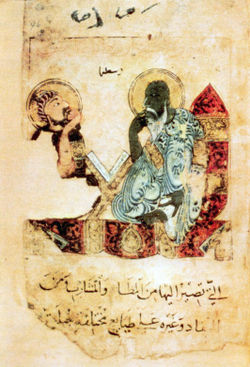 academic study of philosophy derived from the tradition and teachings of Islam
 Materialism form of philosophical monism that holds matter to be the fundamental substance in nature
 philosophical tradition
 worship of or belief in multiple deities
 Mysticism religious experience where the soul reaches its highest degree of union with the sacred during earthly existence
 Chakra subtle body psychic-energy centers in the esoteric traditions of Indian religions
 transgression against religious commandments or precepts
 Tantra esoteric traditions of Hinduism and Buddhism
 Spirituality philosophical and theological term
 British-Indian Islamic philosopher, poet and politician
- Samsara world or realm of existence related to rebirth concept in Buddhism, Hinduism, Jainism, Bön, and Sikhism
 branch of Buddhism popular in East Asia and Vietnam that sees the goal of becoming a buddha through the bodhisattva path as being available to all and sees the state of the arhat as incomplete
 basic attitude of trust, especially in the context of religious convictions
 theological view of end of world
… and 310 more Legendary cards to discover in the game.
Epics 341
- Waḥy — revelation in Islam
- Self-realization — an expression used in Western psychology, philosophy, and spirituality regarding fulfillment by oneself of the possibilities of one's character or personality
- Christian ethics — branch of Christian theology that defines virtuous behavior and wrong behavior from a Christian perspective
- Seven Factors of Enlightenment — concept in Buddhism
- Transcendence (religion) — in religions, the wholly non-material aspect of a deity's nature & power
- Buddhist ethics — ethics in Buddhism
- Occasionalism — philosophical theory stating that nothing can occur except under the causation of God
- Merit — concept considered fundamental to Buddhist ethics
- Animals in Buddhism — treatment of animals in Buddhism
- Dharani — Buddhist chant, mnemonic code, incantation, or recitation
- Impermanence — body and material things are "transient, not permanent" - a spiritual concept in Buddhism, Hinduism and Jainism
- Religious views on suicide — perspectives of various religions on whether suicide should be permitted
- Upaya — in Buddhism, an aspect of guidance along the Buddhist paths to liberation where a conscious, voluntary action is driven by an incomplete reasoning about its direction
- Christian theosophy — esoteric Christian movement
- Antihumanism — philosophical and social theory, critical of traditional humanism
- Anāgāmī — in Buddhism, 3rd of the four stages of enlightment
- Threefold Training — Buddhist practices for higher virtue, mind, and wisdom
- Bhūmi (Buddhism) — Buddhist stages of enlightenment
- Secular ethics — branch of moral philosophy
- Organized religion — religion in which belief systems and rituals are systematically arranged and formally established
- Religious skepticism — type of skepticism relating to religion
- Chöd — Buddhist religious practice
- Gholamhossein Ebrahimi Dinani — Iranian philosopher
- Kalām cosmological argument — argument for the existence of God
… and 317 more Epic cards to discover in the game.
Related topics
- Eastern philosophy 718 cards
- Spirituality 1,102 cards
- Ethics 1,137 cards
- Contemporary philosophy 2,080 cards
- Metaphysics 524 cards
- Medieval philosophy 506 cards
- Ancient philosophy 633 cards
- Modern philosophy 990 cards
- Christian theology 887 cards
- Philosophical literature 863 cards
- Political philosophy 1,646 cards
- Atheism 489 cards


In the Science booster
 Science 282,135 cards ›
About
Mythic 59 · Legendary 334 · Epic 341 · Rare 249 · Common 35
Fame score: Wikipedia page views (July 2015 – October 2026, 39 languages). Updated .
All these cards are won by opening boosters in Did you know Cards, the free card game where you learn as you play. All topics ›
All 1,018 “Philosophy of religion” cards in the game