Ancient philosophy: the most famous cards
The free Wikipedia card game and general-knowledge games
633 cards
Mythics 34
 c. 625 BC – c. 545 BC ancient Greek philosopher and mathematician
 342 BC – 270 BC ancient Greek philosopher
 384 BC – 322 BC Greek philosopher
 c. 428 BC – c. 348 BC 4th-century BC Greek philosopher
 c. 470 BC – 399 BC 5th-century BC Greek philosopher
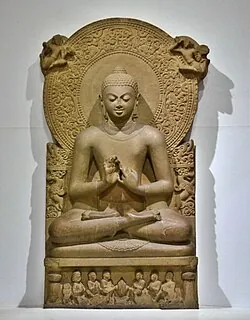 Indian philosopher and the founder of Buddhism (623 or 563 BC – 543 or 483 BC)
 c. 551 BC – c. 479 BC 5th-century BC Chinese philosopher and politician
 354 – 430 Christian theologian, philosopher, and saint
 6th century BC – c. 490 BC Greek philosopher and mathematician
 121 – 180 16th Roman Emperor from 161 to 180 and Stoic philosopher
 107 BC – 43 BC Roman statesman, lawyer, orator, and philosopher
 school of Hellenistic philosophy who held that the practice of virtue suffices to attain eudaimonia
 6th century BC 6th-century BC semi-legendary Chinese philosopher, founder of Taoism
 Chinese ethical and philosophical system
 c. 4 BC – AD 65 Roman Stoic philosopher, statesman and dramatist
 primary holy scripture for Hinduism
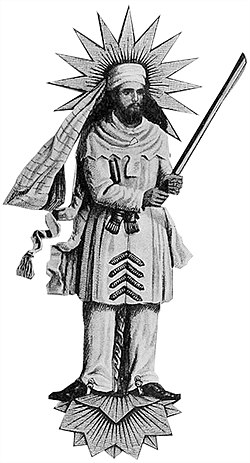 c. 628 BC – c. 551 BC founder of Zoroastrianism
 method of argument for resolving disagreement
 c. 535 BC – c. 470 BC Greek philosopher (late 6th/early 5th-century BC)
 5th century BC Chinese military treatise
 c. 400 BC – c. 323 BC 4th-century BC Greek Cynic philosopher
 c. 460 BC – c. 360 BC Greek philosopher
 Gnosticism early Christian and Jewish religious systems
 c. 544 BC – c. 496 BC 6th century BC Chinese general and military strategist
… and 10 more Mythic cards to discover in the game.
The 633 cards of Did you know Cards linked to “Ancient philosophy”, those closest to the topic first, then by fame (how often their Wikipedia article is read, and in how many languages): Thales, Epicurus, Aristotle, Plato… The more famous the subject, the rarer its card.
Legendaries 260
 ancient school of philosophy
 Ancient Greek philosophy philosophical origins and foundation of western civilization
 Ancient philosophy philosophical thought extending as far as early post-classical history
 ancient philosophical, research and educative center, founded by Plato in Athens
 Demiurge artisan-like figure responsible for fashioning and maintaining the physical universe
 Greek philosophy before and during the time of Socrates
 teachers of 5th century BC Greece
 set of philosophical problems
 literary work by Aristotle
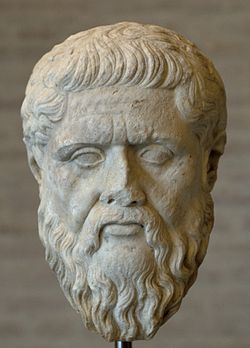 Platonism philosophical theory that includes affirming the existence of abstract objects
 philosophical paradox
 Atomism natural philosophy
 practice of abstaining from the consumption of meat
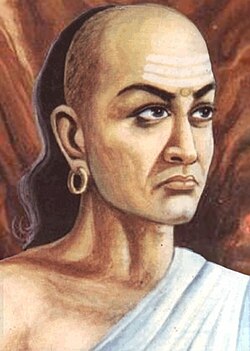 Ancient Indian teacher and strategist who authored the foundational manual on political economy
 non-romantic love
 late 6th/early 5th century BC Greek pre-Socratic philosopher
 pre-Socratic Greek philosopher
 ancient Greek poet of the archaic period
 Greek philosopher, historian, and soldier (c.430–355/354 BC)
 Dogma principle laid down as inconvertibly true in an ideology or belief system
 Barbarian person perceived to be either uncivilized or primitive based on stereotypes
 Athenian legislator
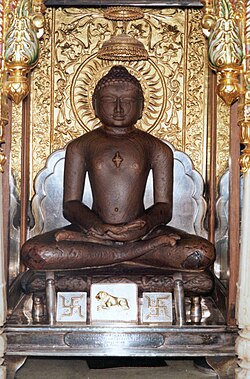 Indian religious leader
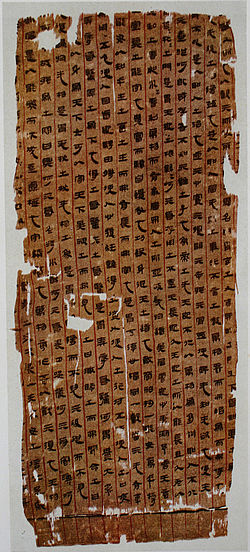 Chinese classic text
… and 236 more Legendary cards to discover in the game.
Epics 249
- Ousia — philosophical and theological term, originally used in Ancient Greek philosophy
- Ancient Roman philosophy — philosophical thought in ancient Rome
- Strato of Lampsacus — ancient Greek philosopher
- Hegesias of Cyrene — ancient Greek philosopher
- Epimenides paradox — logical paradox involving self-reference
- Magnanimity — virtue
- Apatheia — Stoic concept
- Aristotelian ethics — attempt to offer a rational response to the question of how humans should best live
- Politeia — concept in ancient Greek
- Alexandrian school — philosophical school
- Sage (philosophy) — someone who has attained the wisdom which a philosopher seeks
- Ionian School — Greek philosophy centred in Miletus, Ionia in the 6th and 5th centuries BC
- Potentiality and actuality — principles which Aristotle used to analyze motion, causality, ethics, and physiology
- Pietas — ancient Roman virtue personified
- Sophrosyne — ancient Greek concept of an ideal of excellence of character and soundness of mind
- Zilu — Disciple of Confucius
- Oeconomicus — work by Xenophon
- Techne — categorically operative knowledge related to craft, skill, trade art, cunning, wile, means
- First Alcibiades — work by Plato
- Aristotle's wheel paradox — paradox
- Plank of Carneades — ethical thought experiment proposed by Carneades of Cyrene: after shipwreck, A is on a plank that can only support 1 person; when B tries to cling on, A pushes him away; is A guilty?
- Clinamen — latin word for the swerve of atoms, or an inclination/bias
- Plato's tripartite theory of soul — Plato's account of the soul as consisting of logical, spirited, and appetitive parts
- Water (classical element) — classical element in philosophy and cosmology
… and 225 more Epic cards to discover in the game.
Related topics
- Philosophical literature 863 cards
- Eastern philosophy 718 cards
- Philosophy of religion 1,018 cards
- Metaphysics 524 cards
- Ethics 1,137 cards
- Political philosophy 1,646 cards
- Epistemology 332 cards


In the Science booster
 Science 282,135 cards ›
About
Mythic 34 · Legendary 260 · Epic 249 · Rare 87 · Common 3
Fame score: Wikipedia page views (July 2015 – October 2026, 39 languages). Updated .
All these cards are won by opening boosters in Did you know Cards, the free card game where you learn as you play. All topics ›
All 633 “Ancient philosophy” cards in the game