Philosophical literature: the most famous cards
The free Wikipedia card game and general-knowledge games
863 cards
Mythics 21
 novel sequence by Marcel Proust
 novel by Antoine de Saint-Exupéry (1943)
 primary holy scripture for Hinduism
 ancient Hindu text on erotic love
 1866 Russian-language novel by Dostoyevsky
 5th century BC Chinese military treatise
 1869 novel by Leo Tolstoy
 novella by Franz Kafka
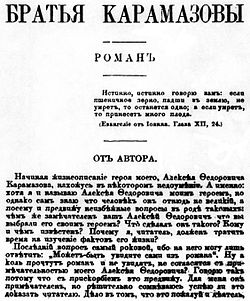 1879 novel by Fyodor Dostoyevsky
 political treatise by Niccolò Machiavelli
 1953 novel by Ray Bradbury
 1985 novel by Margaret Atwood
 1726 novel by Jonathan Swift
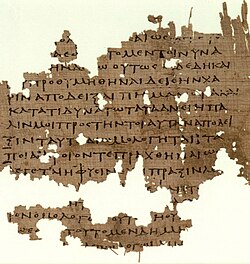 philosophical work written by Plato
 1942 novel by Albert Camus
 philosophical novel by Friedrich Nietzsche
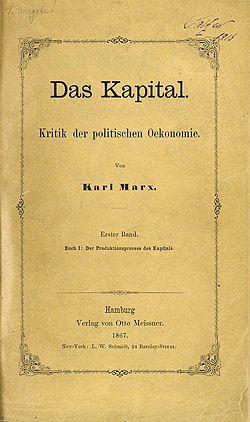 foundational theoretical text of Karl Marx
 type of traditional narrative
 1848 publication written by Karl Marx and Friedrich Engels
 allegory by Plato
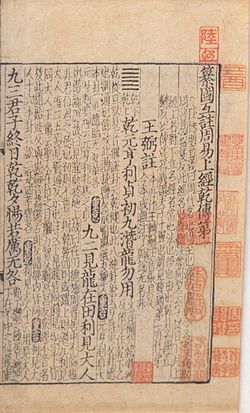 ancient Chinese text used for divination
The 863 cards of Did you know Cards linked to “Philosophical literature”, those closest to the topic first, then by fame (how often their Wikipedia article is read, and in how many languages): In Search of Lost Time, The Little Prince, Bhagavad Gita, Kama Sutra… The more famous the subject, the rarer its card.
Legendaries 223
 1984 Czech novel by Milan Kundera
 philosophical essay by Albert Camus
 1991 novel by Jostein Gaarder
 literary work by Aristotle
 work of political philosophy by Aristotle
 novel by Jean-Paul Sartre
 novel by Franz Kafka
 work by Aristotle
 work by Descartes
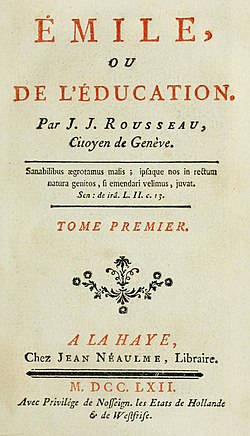 1762 essay by Jean-Jacques Rousseau
 book by Friedrich Nietzsche
 philosophy book by Descartes
 essay by Oswald Spengler
 standard collection of Aristotle's six works on logic
 novel by William Faulkner
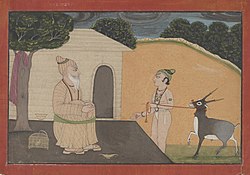 ancient Sanskrit religious and philosophical texts of Hinduism
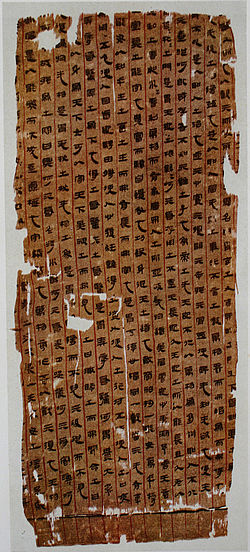 Chinese classic text
 ancient Greek tragedy by Sophocles
 1925 novel by Franz Kafka
 1759 philosophical tale by Voltaire
 1957 novel by Ayn Rand
 book by Thomas Hobbes
 1776 work on economics by Adam Smith
 science fiction novel by Philip K. Dick
… and 199 more Legendary cards to discover in the game.
Epics 330
- Beyond the Pleasure Principle — written work by Sigmund Freud
- Dokkōdō — book by Miyamoto Musashi
- Rites of Zhou — ancient Chinese work on bureaucracy and organizational theory
- Principles of Philosophy — book by Descartes
- Utilitarianism — 1861 essay by John Stuart Mill
- Science of Logic — work by Georg Wilhelm Friedrich Hegel
- Oeconomicus — work by Xenophon
- Critique of Hegel's 'Philosophy of Right' — 1843 manuscript written by Karl Marx
- Classic of Filial Piety — Confucian treatise on filial piety (孝), allegedly composed from a conversation between Confucius and Zengzi but more probably from 4th century BC Warring States period
- Dictionnaire philosophique — philosophical dictionary by Voltaire
- The Twenty-four Filial Exemplars — Yuan dynasty text of Confucian filial piety
- Some Thoughts Concerning Education — 1693 book by John Locke
- The Maxims of Ptahhotep — ancient Egyptian literary composition by Vizier Ptahhotep
- Passions of the Soul — essay by René Descartes
- The Prelude — book by William Wordsworth
- Caigentan — compilation of aphorisms by Hong Zicheng combining elements from the Three teachings (Confucianism, Daoism and Buddhism)
- Mysterium Cosmographicum — 1597 astronomy book by Johannes Kepler
- The Gift — essay by sociologist Marcel Mauss
- Oration on the Dignity of Man — public discourse by Giovanni Pico della Mirandola
- Mūlamadhyamakakārikā — foundational text of the Madhyamaka school of Mahāyāna philosophy
- Treatise on Tolerance — essay by Voltaire
- Isagoge — book by Porphyrius
- The Problems of Philosophy — 1912 book by Bertrand Russell
- Minima Moralia — essay by Theodor W. Adorno
… and 306 more Epic cards to discover in the game.
Related topics
- Ancient philosophy 633 cards
- Modern philosophy 990 cards
- Political philosophy 1,646 cards
- Philosophy of religion 1,018 cards
- Continental philosophy 566 cards
- Contemporary philosophy 2,080 cards
- Eastern philosophy 718 cards
- Ethics 1,137 cards


In the Arts booster
 Arts 369,264 cards ›
About
Mythic 21 · Legendary 223 · Epic 330 · Rare 242 · Common 47
Fame score: Wikipedia page views (July 2015 – October 2026, 39 languages). Updated .
All these cards are won by opening boosters in Did you know Cards, the free card game where you learn as you play. All topics ›
All 863 “Philosophical literature” cards in the game