Neuroscience: the most famous cards
The free Wikipedia card game and general-knowledge games
2,620 cards
Mythics 65
 neurodevelopmental condition
 progressive, neurodegenerative disease characterized by memory loss
 Epilepsy human neurological disease causing seizures
 organic chemical that functions both as a hormone and a neurotransmitter
 electrically excitable cell that communicates via synapses
 neurological condition
 Parkinson's disease long-term degenerative neurological disorder
 Attention deficit hyperactivity disorder neurodevelopmental disorder
 rare neurodegenerative disease with amyotrophy and progressive paralysis
 Tourette syndrome neurodevelopmental condition
 discontinued neurosurgical operation
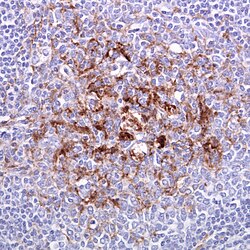 degenerative neurological disorder
 Brain organ that serves as the center of the nervous system in all vertebrate and most invertebrate animals
 Psychosis abnormal condition of the mind that involves hallucinations and delusions and is a symptom of any of various disorders or other causes
 human disease
 study of mental functions and behaviours
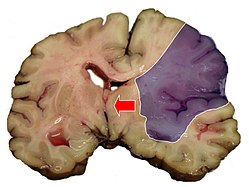 death of a region of brain cells due to poor blood flow
 biological states associated with the nervous system
 naturally recurring resting state of mind and body
 Thought mental activity involving an individual's subjective consciousness
 mental faculties and processes involved in storing and retrieving information
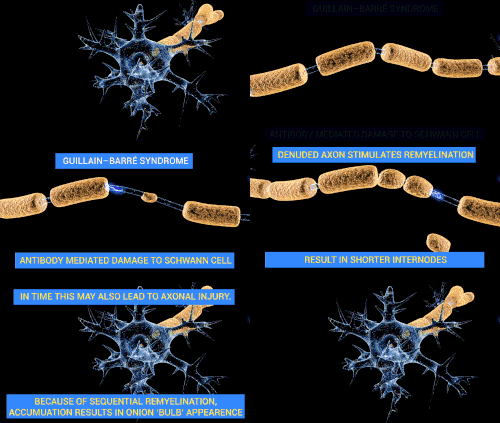 autoimmune disease that causes the immune system to attack part of the peripheral nervous system
 group of permanent movement disorders that appear in early childhood
 Schizophrenia psychotic disorder characterized by emotional responsiveness and disintegration of thought process
… and 41 more Mythic cards to discover in the game.
The 2,620 cards of Did you know Cards linked to “Neuroscience”, those closest to the topic first, then by fame (how often their Wikipedia article is read, and in how many languages): Autism, Alzheimer's disease, Epilepsy, Dopamine… The more famous the subject, the rarer its card.
Legendaries 613
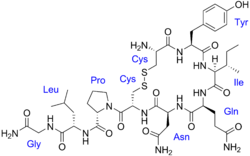 peptide hormone and neuropeptide
 junction between a nerve fiber of one neuron and another neuron, muscle fiber or glial cell
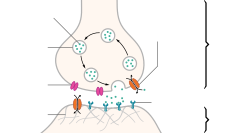 endogenous chemicals that transmit signals across a synapse from one neuron to another
 pseudo-scientific approach to communication, personal development, and psychotherapy
 neurological sign consisting of lack of voluntary coordination of muscle movements
 almond-shaped group of neurons in the medial temporal lobes of the brain which plays a central role in the processing and memory of emotions, especially fear
 disabling neurological pathology characterized by the irresistible urge to move the legs
 long, thin, tubular structure made up of nervous tissue
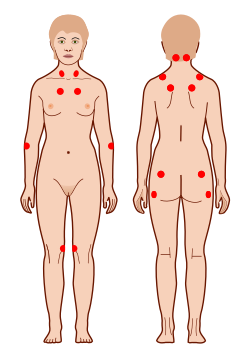 chronic disorder of unknown etiology characterized by pain, stiffness, and tenderness
 emotion induced by perceived danger or threat
 mental faculty
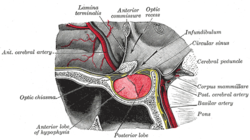 endocrine gland at the base of the brain. Referred to as the “master gland” because it monitors and regulates many bodily functions through the hormones that it produces, including growth and sexual/reproductive development and function
 main information-processing organs of the nervous system, consisting of the brain, spinal cord, and meninges
 inability to sleep peacefully
 psychological characteristics of an individual (usually referring to only humans)
 small endocrine gland found in most vertebrates, which produces melatonin; in humans, located in the epithalamus, in a groove where the two halves of the thalamus join; its shape and size resembles a pine nut, after which it is named
 a small area in the center of the brain that is part of diencephalon. It helps produce hormones that regulate heart rate, body temperature, hunger, and the sleep-wake cycle
 Taste sense that detects types of chemicals that touch the tongue
 perception of sound within the human ear ("ringing of the ears") when no external sound is present
 Nocturnal emission spontaneous sleep orgasm
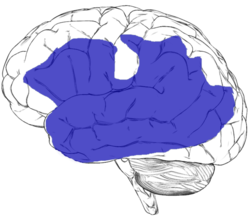 Aphasia inability to comprehend or formulate language
 Cerebellum region of the brain connected to the brainstem that coordinates motor functions and muscle tone, helping an animal's need to track moving objects, its own movements, and to analyse the sensory consequences of movements in order to control movements
 enclosed, cable-like bundle of axons in the peripheral nervous system
 main organ of the human nervous system
… and 589 more Legendary cards to discover in the game.
Epics 898
- Spinal ganglia — cluster of neurons in a dorsal root of a spinal nerve
- Sensory neuron — nerve cell that converts environmental stimuli into corresponding internal stimuli
- Lateral medullary syndrome — neurological disorder causing a range of symptoms due to ischemia in the lateral part of the medulla oblongata in the brainstem
- Lambert-Eaton myasthenic syndrome — an autoimmune, presynaptic disorder of neuromuscular transmission characterized by fluctuating muscle weakness and autonomic dysfunction frequently associated with small-cell lung cancer (SCLC)
- Interneuron — neurons which are not motor or sensory
- Nissl body — part of a neuron
- Retinal ganglion cell — type of neuron located near the inner surface (ganglion cell layer) of the retina of the eye
- Pyramidal cell — projection neurons in the cerebral cortex and hippocampus
- Sensation — body's detection of external or internal stimulation
- Posterior pituitary — posterior lobe of the pituitary gland
- Motor coordination — process and the result of the interaction of various perceptual, control, regulatory and motor elements to form an orderly, purposeful sequence of movements
- Cerebral venous sinus thrombosis — presence of acute thrombosis (a blood clot) in the dural venous sinuses, which drain blood from the brain
- Muscle spindle — specialized innervated muscle structure involved in the reflex action and in proprioception
- Calmodulin family — group of calcium sensors and calcium signal modulators
- Neural crest — Embyronic group of cells giving rise to diverse cell lineages
- Internal capsule — white matter structure situated in the inferomedial part of each cerebral hemisphere of the brain
- Dopamine receptor — class of G protein-coupled receptors that are prominent in the vertebrate central nervous system
- Vascular endothelial growth factor — signal protein produced by cells that stimulates vasculogenesis and angiogenesis
- Chemoreceptor cell — specialized sensory receptor cell which responds to a chemical substance and sends a biological signal
- Femoral nerve — long nerve down the thigh and inner leg
- Putamen — round structure located at the base of the forebrain
- Optic chiasm — optical part of brain
- AMPA receptor — transmembrane protein family
- Cervical plexus — network of nerves in the neck
… and 874 more Epic cards to discover in the game.
Related topics
- Psychology 6,840 cards
- Anatomy 4,492 cards
- Neurology 865 cards
- Physiology 1,826 cards
- Disability 6,326 cards
- Molecular biology 7,553 cards
- Psychiatry 598 cards
- Autism 866 cards




In the Science booster
 Science 282,135 cards ›
About
Mythic 65 · Legendary 613 · Epic 898 · Rare 722 · Common 322
Fame score: Wikipedia page views (July 2015 – October 2026, 39 languages). Updated .
All these cards are won by opening boosters in Did you know Cards, the free card game where you learn as you play. All topics ›
All 2,620 “Neuroscience” cards in the game