Neurology: the most famous cards
The free Wikipedia card game and general-knowledge games
865 cards
Mythics 29
 neurodevelopmental condition
 progressive, neurodegenerative disease characterized by memory loss
 Epilepsy human neurological disease causing seizures
 neurological condition
 Parkinson's disease long-term degenerative neurological disorder
 Attention deficit hyperactivity disorder neurodevelopmental disorder
 rare neurodegenerative disease with amyotrophy and progressive paralysis
 Tourette syndrome neurodevelopmental condition
 discontinued neurosurgical operation
 rare neurodegenerative disorder of the central nervous system characterized by unwanted choreatic movements, behavioral and psychiatric disturbances and dementia
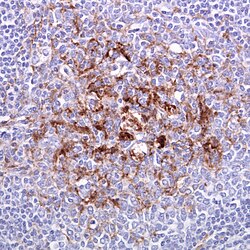 degenerative neurological disorder
 Meningitis inflammation of the membranes around the brain and spinal cord
 human disease
 infectious disease caused by Borrelia bacteria, spread through the bite of blacklegged ticks
 human disease
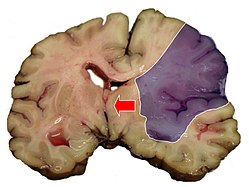 death of a region of brain cells due to poor blood flow
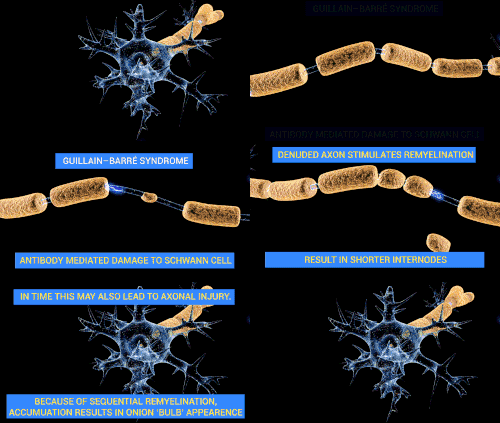 autoimmune disease that causes the immune system to attack part of the peripheral nervous system
 group of permanent movement disorders that appear in early childhood
 historical diagnostic category within the autism spectrum
 sexually transmitted infection
 deadly viral disease, transmitted through animals
 Bipolar disorder mental illness characterized by mood changes
 Down syndrome chromosomal condition
 specific learning disability characterized by troubles with reading
… and 5 more Mythic cards to discover in the game.
The 865 cards of Did you know Cards linked to “Neurology”, those closest to the topic first, then by fame (how often their Wikipedia article is read, and in how many languages): Autism, Alzheimer's disease, Epilepsy, Synesthesia… The more famous the subject, the rarer its card.
Legendaries 268
 human sleep disorder that involves an excessive urge to sleep and other neurological features
 endogenous chemicals that transmit signals across a synapse from one neuron to another
 very-low-carbohydrate diet that induces ketosis, used in neurological and metabolic conditions
 neurological sign consisting of lack of voluntary coordination of muscle movements
 disabling neurological pathology characterized by the irresistible urge to move the legs
 Chronic traumatic encephalopathy neurodegenerative disease caused by head injury
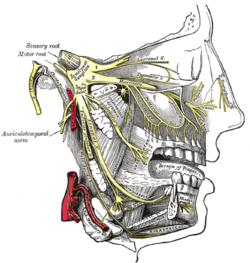 Trigeminal neuralgia neuropathic disorder
 Cluster headache neurological disorder
 neurological condition, developmental or acquired
 Neurodiversity diversity of human minds and brains, encompassing both neurotypicality and neurodivergence
 nervous system disease located in nerves or nerve cells
 neurodevelopmental condition
 Neurotoxin substance poisonous or destructive to nerve tissue
 neurologic sensory disorder
 disorder resulting in recurrent moderate-severe headaches
 disorders of adaptive immune system
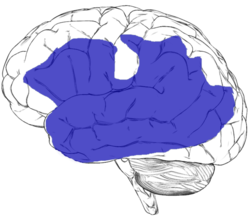 Aphasia inability to comprehend or formulate language
 bowel dysfunction that is characterized by infrequent or difficult evacuation of feces
 physiological capacity of organisms that provides data for perception
 type of dizziness
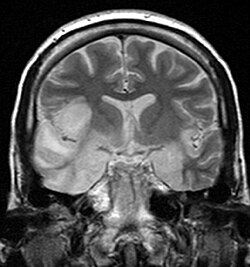 acute inflammation of the brain with flu-like symptoms
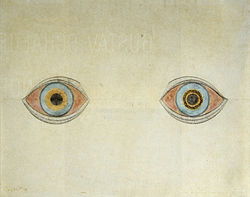 Hallucination perception in the presence of no external stimuli found, but characteristic of true perception
 cognitive disorder where the memory is disturbed or lost and involves the loss of memories previously established, loss of the ability to create new memories, continuous high blood pressure and severe shock may also cause amnesia
 transient loss of consciousness and postural tone
… and 244 more Legendary cards to discover in the game.
Epics 308
- Lateral medullary syndrome — neurological disorder causing a range of symptoms due to ischemia in the lateral part of the medulla oblongata in the brainstem
- Lambert-Eaton myasthenic syndrome — an autoimmune, presynaptic disorder of neuromuscular transmission characterized by fluctuating muscle weakness and autonomic dysfunction frequently associated with small-cell lung cancer (SCLC)
- Spinal cord disease — neurologic deficit related to the spinal cord
- Neuroma — nervous system benign neoplasm that is characterized as a nerve tissue tumor
- Adie syndrome — neurological disorder characterized by a tonically dilated pupil
- Neurofibroma — human disease
- Melkersson-Rosenthal syndrome — rare neurological disorder characterized by recurring facial paralysis, swelling of the face and lips (usually the upper lip - cheilitis granulomatosis) and the development of folds and furrows in the tongue (fissured tongue)
- Neuropathology — study of disease of nervous system tissue
- Uhthoff's phenomenon — worsening of neurologic symptoms in multiple sclerosis (MS) and other neurological, demyelinating conditions when the body gets overheated
- Bálint's syndrome — uncommon and incompletely understood triad of severe neuropsychological impairments
- Neuromuscular disease — neuropathy that affect the nerves that control the voluntary muscles
- Tarsal tunnel syndrome — compression neuropathy and painful foot condition in which the tibial nerve is compressed as it travels through the tarsal tunnel
- Riley-Day syndrome — hereditary sensory and autonomic neuropathy type III (HSAN-III), is a disorder of the autonomic nervous system which affects the development and survival of sensory
- Neurofibrillary tangle — intracellular mass of paired, helically wound protein filaments lying in the cytoplasm of neuronal cell bodies and neuritic cell processes
- Neuropil — area in the nervous system composed of mostly unmyelinated axons, dendrites and glial cell processes that forms a synaptically dense region containing a relatively low number of cell bodies
- Niemann-Pick disease — severe metabolic disorders in which sphingomyelin accumulates in lysosomes in cells
- Cerebral venous sinus thrombosis — presence of acute thrombosis (a blood clot) in the dural venous sinuses, which drain blood from the brain
- Papilledema — human disease
- Ketonuria — medical condition in which ketone bodies are present in the urine
- Putamen — round structure located at the base of the forebrain
- Holoprosencephaly — congenital disorder of the nervous system
- Gyrus — outward fold on the brain surface
- Neuritis — inflammation of a nerve or the general inflammation of the peripheral nervous system
- Agenesis of the corpus callosum — disease
… and 284 more Epic cards to discover in the game.
In the Science booster
 Science 282,135 cards ›
About
Mythic 29 · Legendary 268 · Epic 308 · Rare 197 · Common 63
Fame score: Wikipedia page views (July 2015 – October 2026, 39 languages). Updated .
All these cards are won by opening boosters in Did you know Cards, the free card game where you learn as you play. All topics ›
All 865 “Neurology” cards in the game