Physiology: the most famous cards
The free Wikipedia card game and general-knowledge games
1,826 cards
Mythics 24
 cyclic, physiologic discharge through the vagina of blood and endometrial tissues from the nonpregnant uterus
 science regarding function of organisms or living systems
 1849 – 1936 Russian physiologist
 one of five Nobel Prizes established in 1895 by Alfred Nobel
 entire structure of a human organism
 Skin soft outer covering organ of vertebrates
 system in an organism that exchanges respiratory gases
 oxygen-transport metalloprotein in red blood cells of most vertebrates
 reproductive system of the human female, made up of internal and external organs
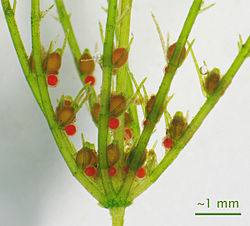 Sex organ biological part involved in sexual reproduction
 Orgasm sudden discharge of accumulated sexual tension
 classification of blood based on antibodies and antigens on red blood cell surfaces
 chemical element with symbol Ca and atomic number 20
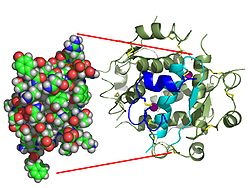 Insulin pancreas hormone
 transition from a sexually immature child to a sexually mature adult
 liquid by-product of metabolism in the bodies of many animals, produced by the kidneys
 Sex biological system that determines an individual's sexually reproductive functions
 electrically excitable cell that communicates via synapses
 chemical compound
 1452 – 1519 Italian Renaissance polymath
- Blood organic fluid which transports nutrients throughout the organism
 biological process to convert light into chemical energy
 set of chemical reactions and pathways by which living organisms transform chemical substances
 1881 – 1955 Scottish biologist, pharmacologist, botanist, and Nobel laureate
The 1,826 cards of Did you know Cards linked to “Physiology”, those closest to the topic first, then by fame (how often their Wikipedia article is read, and in how many languages): Menstruation, Physiology, Ivan Pavlov, Nobel Prize in Physiology or Medicine… The more famous the subject, the rarer its card.
Legendaries 532
 group of physiologically active lipid compounds
 Jet lag physiological condition caused by travel across time zones
 most common type of blood cell
 pressure exerted by circulating blood upon the walls of blood vessels
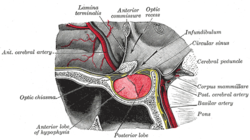 endocrine gland at the base of the brain. Referred to as the “master gland” because it monitors and regulates many bodily functions through the hormones that it produces, including growth and sexual/reproductive development and function
 organ that smells and facilitates breathing
 hematologic cancer that affects lymphocytes
 small endocrine gland found in most vertebrates, which produces melatonin; in humans, located in the epithalamus, in a groove where the two halves of the thalamus join; its shape and size resembles a pine nut, after which it is named
 any organic compound having sterane as a core structure
 Nocturnal emission spontaneous sleep orgasm
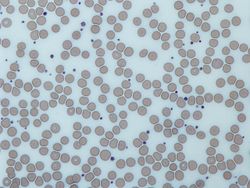 Platelet component of blood aiding in coagulation
 voice box, an organ in the neck of amphibians, reptiles, and mammals
 bodily function of expelling intestinal gas out of the anus
 Pulse tactile arterial palpation of the heartbeat by trained fingertips
 Blood plasma liquid component of blood
 organism's response to a stressor such as an environmental condition or a stimulus
 part of the throat that is behind the mouth and nasal cavity
 medium which conducts ions but not electrons
 Cardiac arrest sudden stop in effective blood flow due to the failure of the heart to contract effectively
 junction between a nerve fiber of one neuron and another neuron, muscle fiber or glial cell
 Lymphocyte subtype of white blood cell
 medical symptom, reflex to clear large breathing passages
 Tachycardia heart rate that exceeds the normal resting rate
 small lytic vacuole with cell cycle-independent morphology, found in most animal cells; contains a variety of hydrolases, most of which have their maximal activities in the pH range 5-6
… and 508 more Legendary cards to discover in the game.
Epics 636
- Dioptric power — physical quantity
- Cushing reflex — physiological nervous system response to increased intracranial pressure
- Allometry — study of the relationship of body size to shape, anatomy, physiology, and behavior
- Antigen-presenting cell — cell that assists in the production of immune responses by presenting antigen
- Stroke volume — volume of blood pumped from the left ventricle per beat
- Sinus tachycardia — heart rate greater than 100 beats/min (bpm)
- Basal body temperature — lowest body temperature each day
- Lochia — vaginal discharge in the first few weeks after giving birth
- Frank–Starling law of the heart — relationship between stroke volume and end diastolic volume
- Anion gap in blood — difference between certain measured cations and the measured anions in serum, plasma, or urine
- Parietal cell — epithelial cell that secrete hydrochloric acid and intrinsic factor
- Glycosuria — medical condition
- Allantois — embryonic structure
- Muscle spindle — specialized innervated muscle structure involved in the reflex action and in proprioception
- Mean arterial pressure — average blood pressure in an individual
- Sensory neuron — nerve cell that converts environmental stimuli into corresponding internal stimuli
- Premature ventricular contraction — human disease
- Ketonuria — medical condition in which ketone bodies are present in the urine
- Regulatory T cell — type of cell
- Interneuron — neurons which are not motor or sensory
- Hereditary angioedema — genetic disease characterized by the occurrence of transitory and recurrent subcutaneous and/or submucosal edemas resulting in swelling and/or abdominal pain
- Bone marrow examination — medical test performed on blood samples
- Subendocardial branches — fibers that allow the heart's conduction system to create synchronized contractions of its ventricles
- Kupffer cell — macrophages located in the liver
… and 612 more Epic cards to discover in the game.
Related topics
- History of biology 730 cards
- Neuroscience 2,620 cards
- Nobel Prize 306 cards
- Anatomy 4,492 cards
- Cardiology 390 cards
- Hematology and oncology 586 cards


In the Science booster
 Science 282,135 cards ›
About
Mythic 24 · Legendary 532 · Epic 636 · Rare 506 · Common 128
Fame score: Wikipedia page views (July 2015 – October 2026, 39 languages). Updated .
All these cards are won by opening boosters in Did you know Cards, the free card game where you learn as you play. All topics ›
All 1,826 “Physiology” cards in the game