Anatomy: the most famous cards
The free Wikipedia card game and general-knowledge games
4,492 cards
Mythics 60
 erectile organ with internal and external anatomy, part of the vulva
 Foot weight-bearing anatomical structure found in vertebrates
 factitious anatomical detail of human female sexual organ
 anatomical male reproductive structure that consists of a suspended sack of skin
 Anatomy study of the internal structure of organisms and their parts
 two rounded portions of the anatomy, traditionally located on the posterior of various organisms
 Heart inner organ for the circulation of blood
 part of the female genital tract
 vertebrate organ involved in metabolism
 Brain organ that serves as the center of the nervous system in all vertebrate and most invertebrate animals
 Breast upper region of primate torso
 Eye organ that detects light and converts it into electro-chemical impulses in neurons
 Vulva external genital organs of the female mammal
 digestive system in humans
 three independent systems that work together: cardiovascular, pulmonary and systemic
 Human penis human male external reproductive organ
 Ear organ that detects sound; organ of hearing and balance
 entire structure of a human organism
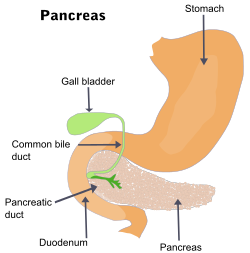 Pancreas glandular organ that plays a role in the digestive and endocrine systems of vertebrates
 Skin soft outer covering organ of vertebrates
 Stomach digestive organ
 rigid organ that constitutes part of the endoskeleton of vertebrates
 essential respiration organ in many air-breathing animals
 contractile soft tissue of animals
… and 36 more Mythic cards to discover in the game.
The 4,492 cards of Did you know Cards linked to “Anatomy”, those closest to the topic first, then by fame (how often their Wikipedia article is read, and in how many languages): Clitoris, Foot, G-spot, Scrotum… The more famous the subject, the rarer its card.
Legendaries 844
 Joint anatomical site where two or more bones or exoskeleton segments are abutted
 Thorax anatomical region in various animals and humans
 anterior anatomical region in many animals, which tends to contain sensory and nervous organs and orifices for ingestion and breathing
 mobile organ located inside the mouth
 part of the digestive tract, following the stomach and followed by the large intestine fake
 cellular organizational level intermediate between cells and a complete organism; cells that are grouped together with a common function
 long, thin, tubular structure made up of nervous tissue
 hard, calcified structure found in the jaws (or mouths) of many vertebrates and used to break down food
 last part of the digestive system in vertebrate animals, including the cecum, colon, rectum, and anal canal
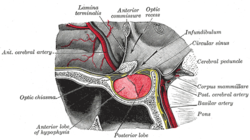 endocrine gland at the base of the brain. Referred to as the “master gland” because it monitors and regulates many bodily functions through the hormones that it produces, including growth and sexual/reproductive development and function
 collection of tissues with similar functions
 Nail hard projection of digit
 main information-processing organs of the nervous system, consisting of the brain, spinal cord, and meninges
 measurement of the human penis
 organ that smells and facilitates breathing
 esters of three fatty acid chains and the alcohol glycerol, one of the three main macronutrients, also known as triglycerides
 a part of the defense system (immune system) of vertebrate animals against pathogens
 blood vessel that carry deoxygenated blood towards the heart, with the exception of the pulmonary vein
 tubular structure which carries blood
 region around the kneecap
 small endocrine gland found in most vertebrates, which produces melatonin; in humans, located in the epithalamus, in a groove where the two halves of the thalamus join; its shape and size resembles a pine nut, after which it is named
 a small area in the center of the brain that is part of diencephalon. It helps produce hormones that regulate heart rate, body temperature, hunger, and the sleep-wake cycle
 endocrine gland that produces a variety of hormones
 fetal organ connecting the developing fetus to the uterine wall and supplying nutrients and oxygen
… and 820 more Legendary cards to discover in the game.
Epics 1,686
- Afferent nerve fiber — anatomical structure
- Anatomical plane — plane used to transect the human body, in order to describe the location of structures or the direction of movements
- Ductus arteriosus — blood vessel connecting the pulmonary artery to the proximal descending aorta
- Endocardium — innermost layer of tissue that lines the heart
- Posterior pituitary — posterior lobe of the pituitary gland
- Parietal cell — epithelial cell that secrete hydrochloric acid and intrinsic factor
- Allantois — embryonic structure
- Orbicularis oculi muscle — muscle near the eye
- Thoracic duct — one of two lymph ducts in the human lymphatic system
- Microvillus — villi that are present inside the small intestine to increase its surface area
- Pleural cavity — thin fluid-filled space between the two pulmonary pleurae (visceral and parietal) of each lung
- Extraocular muscle — seven extrinsic muscles of the human eye
- Axillary artery — large blood vessel bringing oxygenated blood to the thorax
- Muscle spindle — specialized innervated muscle structure involved in the reflex action and in proprioception
- Adrenal cortex — cortex of the adrenal gland; secretes corticosterone and sex hormones
- Renal artery — vessel supplying blood to kidney
- Spinal ganglia — cluster of neurons in a dorsal root of a spinal nerve
- Pharyngeal arch — embryonic precursor structures in vertebrates
- Foramen ovale — in the fetal heart allows blood to enter the left atrium from the right atrium
- Neural crest — Embyronic group of cells giving rise to diverse cell lineages
- Permanent teeth — second set of teeth in diphyodonts
- Sensory neuron — nerve cell that converts environmental stimuli into corresponding internal stimuli
- Stroma — in animal tissue, refers to the connective, supportive framework of a biological cell, tissue, or organ
- Internal capsule — white matter structure situated in the inferomedial part of each cerebral hemisphere of the brain
… and 1,662 more Epic cards to discover in the game.
Related topics
- Animal anatomy 987 cards
- Neuroscience 2,620 cards
- Physiology 1,826 cards
- Women's health 1,343 cards


In the Science booster
 Science 282,135 cards ›
About
Mythic 60 · Legendary 844 · Epic 1,686 · Rare 1,543 · Common 359
Fame score: Wikipedia page views (July 2015 – October 2026, 39 languages). Updated .
All these cards are won by opening boosters in Did you know Cards, the free card game where you learn as you play. All topics ›
All 4,492 “Anatomy” cards in the game