Animal anatomy: the most famous cards
The free Wikipedia card game and general-knowledge games
987 cards
Mythics 35
 Heart inner organ for the circulation of blood
 Penis primary sexual organ of male animals
 vertebrate organ involved in metabolism
 Brain organ that serves as the center of the nervous system in all vertebrate and most invertebrate animals
 Eye organ that detects light and converts it into electro-chemical impulses in neurons
 three independent systems that work together: cardiovascular, pulmonary and systemic
 Ear organ that detects sound; organ of hearing and balance
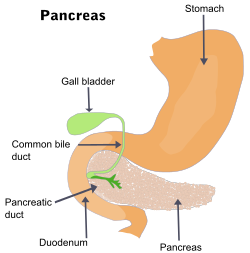 Pancreas glandular organ that plays a role in the digestive and endocrine systems of vertebrates
 Skin soft outer covering organ of vertebrates
 Stomach digestive organ
 rigid organ that constitutes part of the endoskeleton of vertebrates
 essential respiration organ in many air-breathing animals
 contractile soft tissue of animals
 system in an organism that exchanges respiratory gases
 internal organ of the excretory system in all vertebrates
 organ recycling old red blood cells and also housing lymphocytes
 Testicle internal organ used in the male reproductive system
 organ in humans and other vertebrates
 protein filament that grows from follicles found in the dermis, or skin
 Thyroid gland endocrine gland in the neck; secretes hormones that influence metabolism
 gland of the male reproductive system in most mammals
 Anus digestive track waste expulsion opening
 bony structure found in vertebrates
 Skull bony or cartilaginous structure that forms the skeleton of head in vertebrates
… and 11 more Mythic cards to discover in the game.
The 987 cards of Did you know Cards linked to “Animal anatomy”, those closest to the topic first, then by fame (how often their Wikipedia article is read, and in how many languages): Heart, Penis, Liver, Brain… The more famous the subject, the rarer its card.
Legendaries 250
 Thorax anatomical region in various animals and humans
 anterior anatomical region in many animals, which tends to contain sensory and nervous organs and orifices for ingestion and breathing
 weight bearing and locomotive anatomical structure of animals
 mobile organ located inside the mouth
 part of the digestive tract, following the stomach and followed by the large intestine fake
 cellular organizational level intermediate between cells and a complete organism; cells that are grouped together with a common function
 long, thin, tubular structure made up of nervous tissue
 hard, calcified structure found in the jaws (or mouths) of many vertebrates and used to break down food
 last part of the digestive system in vertebrate animals, including the cecum, colon, rectum, and anal canal
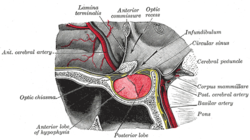 endocrine gland at the base of the brain. Referred to as the “master gland” because it monitors and regulates many bodily functions through the hormones that it produces, including growth and sexual/reproductive development and function
 collection of tissues with similar functions
 Nail hard projection of digit
 organ that smells and facilitates breathing
 Joint anatomical site where two or more bones or exoskeleton segments are abutted
 a part of the defense system (immune system) of vertebrate animals against pathogens
 small endocrine gland found in most vertebrates, which produces melatonin; in humans, located in the epithalamus, in a groove where the two halves of the thalamus join; its shape and size resembles a pine nut, after which it is named
 a small area in the center of the brain that is part of diencephalon. It helps produce hormones that regulate heart rate, body temperature, hunger, and the sleep-wake cycle
 endocrine gland that produces a variety of hormones
 fetal organ connecting the developing fetus to the uterine wall and supplying nutrients and oxygen
 Mouth body cavity and the parts surrounding it
 Thymus endocrine gland
 marine invertebrates of the class Anthozoa
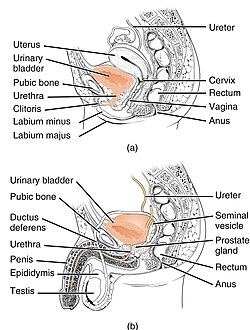 Urethra tube that connects the urinary bladder to the external urethral orifice
 Epithelium tissue lining the surfaces of organs in animals
… and 226 more Legendary cards to discover in the game.
Epics 373
- Microvillus — villi that are present inside the small intestine to increase its surface area
- Extraocular muscle — seven extrinsic muscles of the human eye
- Pharyngeal arch — embryonic precursor structures in vertebrates
- Neural crest — Embyronic group of cells giving rise to diverse cell lineages
- Sensory neuron — nerve cell that converts environmental stimuli into corresponding internal stimuli
- Stroma — in animal tissue, refers to the connective, supportive framework of a biological cell, tissue, or organ
- Somite — division of the body of an animal or embryo
- Acrosomal vesicle — an organelle that develops over the anterior half of the head in the spermatozoa
- Chemoreceptor cell — specialized sensory receptor cell which responds to a chemical substance and sends a biological signal
- Malpighian tubule system — excretory and osmoregulatory system
- Hair cell — auditory nerve cells
- Nasal concha — piece of bone in the breathing passage of humans and other animals
- Zona pellucida — glycoprotein layer surrounding the plasma membrane of mammalian oocytes
- Fish scale — small rigid plate that grows out of the skin of a fish
- Bird vision — senses for birds
- Plumage — a bird's layer of feathers
- Lumbar region — abdominal segment of the torso
- Allometry — study of the relationship of body size to shape, anatomy, physiology, and behavior
- Apocrine sweat gland — mostly limited to the axilla (armpits) and perianal areas in humans; they are not significant for cooling in humans, but are the sole effective sweat glands in hoofed animals, such as the camels, donkeys, horses, and cattle
- Horse hoof — keratin-based structure covering the toe of a horse limb
- Loin — bottom part of the back
- Human kidney — organ in human body
- Trabecular bone — porous bone tissue found at the ends of long bones and in the interior of vertebrae and flat bones; it provides structural support and helps in the distribution of forces experienced by the skeleton
- Posterior nasal apertures — each of two openings from the nasal cavity to the throat
… and 349 more Epic cards to discover in the game.
In the Science booster
 Science 282,135 cards ›
About
Mythic 35 · Legendary 250 · Epic 373 · Rare 251 · Common 78
Fame score: Wikipedia page views (July 2015 – October 2026, 39 languages). Updated .
All these cards are won by opening boosters in Did you know Cards, the free card game where you learn as you play. All topics ›
All 987 “Animal anatomy” cards in the game