Computer science: the most famous cards
The free Wikipedia card game and general-knowledge games
9,102 cards
Mythics 173
 1912 – 1954 English computer scientist
 born 1955 English computer scientist
 born 1973 American computer scientist and Internet entrepreneur
 born 1947 British-Canadian computer scientist and psychologist
 type of website that visitors can edit
 Software non-tangible executable component of a computer
 series of office programmes developed by Microsoft
 software application for retrieving, presenting, and traversing information resources on the World Wide Web
 language for communicating instructions to a machine
 Information that which informs; the answer to a question; that from which knowledge can be derived
 label used to identify a network interface of a computer or other network node
 Linux distribution developed by Canonical
 personal computer operating system by Microsoft that was released in 2015
 American character encoding standard
 digital archive founded by the Internet Archive
 system that represents numeric values using two symbols; 0 or 1
 HTTP error response code
 hand-held device used to move a pointer on a computer display
 OSI model model with 7 layers to describe communication systems
 form of computer data storage
 personal computer operating system by Microsoft that was released in 2009
 family of computer operating systems that derive from the original AT&T Unix from 1969
 computer intended for use by an individual person
 2001 Microsoft operating system version
… and 149 more Mythic cards to discover in the game.
The 9,102 cards of Did you know Cards linked to “Computer science”, those closest to the topic first, then by fame (how often their Wikipedia article is read, and in how many languages): Alan Turing, Tim Berners-Lee, Larry Page, Geoffrey Hinton… The more famous the subject, the rarer its card.
Legendaries 2,656
 type of computer program that, when executed, replicates itself by modifying other computer programs and inserting its own code
 Byte unit of digital information equal to 8 bits
 Data codified, fixed and transmissible information, that may be arranged for automatic processing
 discontinued web browser by Microsoft
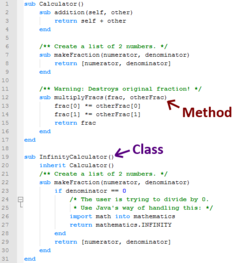 sequence of instructions written in programming language to perform a specified task with a computer
 Hexadecimal numeral system with 16 as its base
 Malware software that is intentionally hostile, intrusive, or damaging to a computer or network
 Fractal set (in mathematics) of non-integral dimension
 software distributed under terms that allow users to freely run, study, change and distribute it and modified versions
 software program or group of programs designed for end-users
 Microsoft operating system
 basic unit of information in computing and digital communications
 Microsoft free web-based email service
 computer processor contained on an integrated-circuit chip
 Big data information assets characterized by such a high volume, velocity, and variety to require specific technology and analytical methods for its transformation into value
 open-source relational database management system
 web browser developed by Opera Software
 distributed version control system
 computer program that transforms source code into object code
 personal computer operating system by Microsoft that was released in 2007
 Supercomputer type of extremely powerful computer
 Information system combination of information, resources, activities and people that support tasks in an organization; group of components that interact to produce information
 personal computer operating system by Microsoft that was released in 2012
 Computing human activity related to the processing of information by use of mechanical devices
… and 2,632 more Legendary cards to discover in the game.
Epics 3,623
- Ubiquitous computing — concept in software engineering and computer science
- Presentation software — software to generate or display slide shows
- Web analytics — measurement, collection, analysis and reporting of web data
- For loop — programming language statement
- Game Center — online multiplayer social gaming network
- Java Database Connectivity — API for Java
- Constructor — special method used for initializing a newly allocated object in object-oriented programming
- Office automation — varied computer machinery and software used to digitally create, collect, store, manipulate, and relay office information needed for accomplishing basic tasks
- Maxthon — web browser for Microsoft Windows and macOS that is developed in China
- JavaFX — Java software platform for GUI
- Netstat — command-line utility that displays network connections
- BibTeX — reference management software for formatting lists of references
- Disk partition — single accessible storage area of a computer drive, usually containing a single filesystem volume
- Web developer — programmer who specializes in World Wide Web applications
- CHKDSK — system tool in DOS, OS/2 and Windows
- Microsoft Office 2013 — Microsoft Office version
- Software engineer — practitioner of software engineering
- Toolbar — element of computer graphical interface
- Mixed reality — merging of real and virtual worlds to produce new environments
- Inversion of control — software programming technique in which general framework code calls into business-logic subroutines
- Blowfish — encryption method
- AVG AntiVirus — antivirus software
- Computer-aided engineering — broad usage of computer software to aid in engineering analysis tasks
- .gn — Internet country-code top level domain for Guinea
… and 3,599 more Epic cards to discover in the game.
Related topics
- Computing 15,859 cards
- Software 5,523 cards
- Internet 3,108 cards
- Technology 12,129 cards
- Computer hardware 3,022 cards
- Free and open-source software 1,635 cards
- Telecommunications 5,586 cards
- Electronics 4,353 cards
- Computer security 1,235 cards
- Linux 673 cards
- Cryptography 741 cards
- Apple Inc. 1,007 cards


In the Science booster
 Science 282,135 cards ›
About
Mythic 173 · Legendary 2,656 · Epic 3,623 · Rare 1,977 · Common 673
Fame score: Wikipedia page views (July 2015 – October 2026, 39 languages). Updated .
All these cards are won by opening boosters in Did you know Cards, the free card game where you learn as you play. All topics ›
All 9,102 “Computer science” cards in the game