Palaeontology: the most famous cards
The free Wikipedia card game and general-knowledge games
2,795 cards
Mythics 31
 clade of archosaurian reptiles (Archosauria)
 extinct genus of theropod dinosaurs
 Taxonomy science of naming, defining and classifying organisms
 Pangaea prehistoric supercontinent
 bony structure found in vertebrates
 extinct species of shark
 Geologic time scale a system of chronological dating that classifies geological strata (stratigraphy) in time
 family of primates
 third and final period of the Mesozoic Era
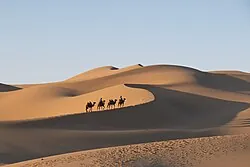 desert in China and Mongolia
 second period of the Mesozoic Era
 first epoch of the Quaternary Period
 species of mammal, the aurochs
 second and current epoch of the Quaternary Period
 genus of Late Cretaceous ceratopsids
 class of mollusks
 first stage and period of the Mesozoic erathem and era
 genus of early bird-like dinosaur
 Cambrian first period of the Paleozoic Era
 extinct genus of cat
 1809 – 1882 English naturalist and biologist
 Life matter capable of extracting energy from the environment for replication
 species of extinct bird
 Human evolution evolutionary process leading up to the appearance of anatomically modern humans
… and 7 more Mythic cards to discover in the game.
The 2,795 cards of Did you know Cards linked to “Palaeontology”, those closest to the topic first, then by fame (how often their Wikipedia article is read, and in how many languages): Dinosaur, Tyrannosaurus, Taxonomy, Pangaea… The more famous the subject, the rarer its card.
Legendaries 351
 Phylum main taxonomic rank (under the rank kingdom)
 extinct genus of theropod dinosaur belonging to the Dromaeosaurs
 Gondwana prehistorical supercontinent
 extinct genus of theropod dinosaurs belonging to the spinosaurid family
 phylum of animals
 superfamily of apes
 second erathem and era of the Phanerozoic Eonothem and Eon
 plain bone of short length that serves as a strut between the scapula and the sternum
 class of arthropods (fossil)
 first erathem and era of the Phanerozoic eonothem and eon
 fifth period of the Paleozoic Era
 Precambrian informal supereon on the geological timescale, spanning from Earth's formation to the Cambrian Period
 sixth and final system and period of the Paleozoic erathem and era
 fourth period of the Paleozoic Era
- Continental drift movement of Earth's continents relative to each other
 Cenozoic third and current era of the Phanerozoic Eon
 genus of tapir
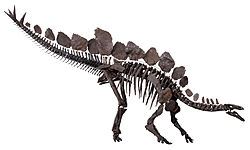 extinct genus of ornithischian dinosaurs (Ornithischia)
 order of reptiles
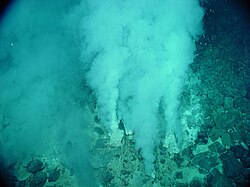 Abiogenesis natural process by which life arises from non-living matter, such as simple organic compounds
 extinct subclass of cephalopods (Cephalopoda)
 Order of reptiles (fossil)
- third and current period of the Cenozoic Era
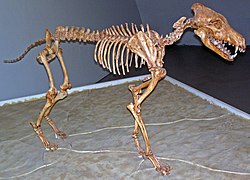 extinct species of canids (Canidae)
… and 327 more Legendary cards to discover in the game.
Epics 781
- Florentino Ameghino — Argentine naturalist, palaeontologist, anthropologist and zoologist
- Meganthropus — genus of mammals
- Sangiran — archaeological excavation site in Java in Indonesia
- Historical geology — academic discipline that uses the principles and techniques of geology to reconstruct and understand the geological history of Earth
- Chronological dating — method mostly used in identification of various fossils which are about millions and billions years old
- Relative dating — determining the relative order of past events
- Pleistocene megafauna — large animals that lived during the Pleistocene
- Index fossil — fossils used to define and identify geologic periods
- Evolution of fish — origin and diversification of fish through geologic time
- Australian megafauna — large animals in Australia, past and present era
- Multiregional origin of modern humans — multi-location related human origins
- History of geology — history of the scientific study of the origin, history, and structure of the Earth
- Trace fossil — geological records of biological activity
- Laetoli — footprints site
- Molecular phylogenetics — branch of phylogeny that analyzes genetic, hereditary molecular differences
- Thunderstone — flint arrowheads and axes, turned up by farmer's plows, considered to have fallen from the sky and worshiped as gods
- Ardi — fossilized skeleton of a female Ardipithecus ramidus
- Dinosaur classification — various classifications of Dinosauria
- Uranium-lead dating — type of radiometric dating
- Sierra de Atapuerca — mountain range in Spain
- Evolution of the eye — origins and diversification of the organs of sight through geologic time
- Biostratigraphy — study of relative ages of rock strata using fossils
- Pecten jacobaeus — species of mollusc
- Younger Dryas impact hypothesis — hypothesis on what initiated the Younger Dryas geological period
… and 757 more Epic cards to discover in the game.
Related topics
- Prehistory 4,466 cards
- Naturalists 3,865 cards
- Dinosaurs 434 cards
- Evolutionary biology 612 cards
- Extinction 483 cards
- Mammals 4,548 cards
- Primates 966 cards


In the Science booster
 Science 282,135 cards ›
About
Mythic 31 · Legendary 351 · Epic 781 · Rare 1,091 · Common 541
Fame score: Wikipedia page views (July 2015 – October 2026, 39 languages). Updated .
All these cards are won by opening boosters in Did you know Cards, the free card game where you learn as you play. All topics ›
All 2,795 “Palaeontology” cards in the game