Microbiology: the most famous cards
The free Wikipedia card game and general-knowledge games
969 cards
Mythics 27
 1822 – 1895 French chemist and microbiologist
 eradicated human disease
 chronic infection caused by bacteria Mycobacterium leprae
 infectious disease caused by an influenza virus
 Cholera bacterial infection of the small intestine
 Plague specific contagious and frequently fatal human disease caused by Yersinia pestis
 group of antibiotics derived from Penicillium fungi
 bacterial infectious disorder contracted by consumption of food or drink contaminated with Salmonella typhi. This disorder is common in developing countries and can be treated with antibiotics
 group of organisms which mostly grow in water and can perform oxygenic photosynthesis
 Tetanus bacterial infection characterized by muscle spasms
 infectious disease
 human and animal disease
 human and animal disease
 infectious disease caused by the bacterium Mycobacterium tuberculosis
 mosquito-borne infectious disease
 sexually transmitted infection
 deadly viral disease, transmitted through animals
 human retrovirus, cause of AIDS
 viral disease caused by the Varicella zoster virus
 infection caused by Bacillus anthracis bacteria
 spectrum of conditions caused by HIV infection
 Life matter capable of extracting energy from the environment for replication
 viral disease affecting humans
 Antibiotic drug used in the treatment and prevention of bacterial infections
… and 3 more Mythic cards to discover in the game.
The 969 cards of Did you know Cards linked to “Microbiology”, those closest to the topic first, then by fame (how often their Wikipedia article is read, and in how many languages): Louis Pasteur, Smallpox, Leprosy, Influenza… The more famous the subject, the rarer its card.
Legendaries 142
 microscopic living organism
 biological entity that causes disease in its host, which is typically an infectious microorganism or agent, such as a virus, bacterium, protozoan, prion, viroid, or fungus
 investigative procedure in microbiology
 Biofilm aggregation of microorganisms on a surface shielding them from harmful substances in the environment
 Disinfectant antimicrobial agent that is applied to non-living objects (compare: antisepsis) to reduce the number of microorganisms (unwanted germs and parasites) on them (compare:sterilization)
 four criteria showing a causal relationship between a causative microbe and a disease
 in biology, method of multiplying cells, organisms, tissues, and organs under optimal conditions
 Antimicrobial agent substance that kills or slows the growth of microorganisms, including bacteria, viruses, fungi and protozoans
 viscous substance produced by nearly all plants and some microorganisms; in terms of science, a polar glycoprotein and exopolysaccharide
 instrument used to see objects that are too small for the naked eye
 study of microscopic organisms
 human disease
 viral disease
 diverse group of fungi
 group of eight neurotoxic proteins produced by Clostridium botulinum
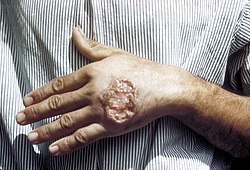 disease caused by parasites of the genus Leishmania
 Unicellular organism organism consisting of only one cell
 sexually transmitted infection caused by the bacterium Chlamydia trachomatis
 group of bacteria that do not retain the Gram stain used in bacterial differentiation
 post-streptococcal inflammatory disease that can involve the heart, joints, skin, & brain
 protection from infectious disease that occurs when a sufficient fraction of a population has become immune (through vaccination or previous infections)
 antimicrobial substance used to destroy germs causing disease, on skin or other tissue of a living being
 Gingivitis mild form of periodontal disease, characterized by inflammation of the gums
 organism whose metabolism does not use oxygen
… and 118 more Legendary cards to discover in the game.
Epics 326
- Microbiota — assembly of microorganisms belonging to different kingdoms; part of a microbiome (which consists of the microbiota and their environment)
- Medical microbiology — medical specialty
- Colony-forming unit — parameter in microbiology
- Microphyte — microscopic algae, typically found in freshwater and marine systems, living in both the water column and sediment
- Microscopic scale — scale of objects and events smaller than those that can easily be seen by the naked eye, requiring a lens or microscope to see them clearly
- Microbial mat — multi-layered sheet of microorganisms
- Sulfate-reducing bacteria — microorganisms which "breathe" sulfates
- Microbiologist — person who investigates the characteristics of microscopic organisms
- Micropaleontology — branch of paleontology that studies microfossils
- Exotoxin — class of toxic proteins secreted by bacteria
- Phototroph — organism using energy from light in metabolic processes
- Pathogenic bacteria — disease-causing bacteria
- Blood culture — lab test to detect infections in the bloodstream
- Toxoid — special dead vaccine
- Heat shock proteins — proteins synthesized in response to hyperthermia and other environmental stresses
- Rotaviral gastroenteritis — human disease
- Psychrophile — organism capable of growing and reproducing in the cold
- Nitrifying bacteria — chemolithotrophic organism(s)
- Drug resistance — reduction in effectiveness of a drug such as an antimicrobial, anthelmintic or an antineoplastic in curing a disease or condition
- PANDAS — hypothesis that there exists a subset of children with rapid onset of obsessive-compulsive disorder or tic disorders and these symptoms are caused by group A beta-hemolytic streptococcal infections
- Verotoxin-producing Escherichia coli — strains of the bacterium Escherichia coli
- Granuloma inguinale — sexually transmitted bacterial disease
- Shiga toxins — class of bacterial protein complexes
- Acidophile — organisms that thrive under highly acidic conditions (usually at pH 2.0 or below)
… and 302 more Epic cards to discover in the game.
In the Science booster
 Science 282,135 cards ›
About
Mythic 27 · Legendary 142 · Epic 326 · Rare 299 · Common 175
Fame score: Wikipedia page views (July 2015 – October 2026, 39 languages). Updated .
All these cards are won by opening boosters in Did you know Cards, the free card game where you learn as you play. All topics ›
All 969 “Microbiology” cards in the game