Indigenous peoples of the Americas: the most famous cards
The free Wikipedia card game and general-knowledge games
2,455 cards
Mythics 25
 peoples indigenous to the Western Hemisphere
 country in North America
 Type of plant species with edible, often red, berry fruit
 former city-state in the Valley of Mexico
 1907 – 1954 Mexican painter
 species of plant (for the food, use Q16587531)
 nutritionally dense or sweet food product from the seed of Theobroma cacao - cocoa bean
 15th-century Inca citadel in the Peruvian Andes and UNESCO World Heritage Site
 Mesoamerican former civilization
 viral disease affecting humans
 1954 – 2013 30th and 33rd President of Venezuela
 1438–1533 empire in South America
 domesticated rodent from South America
 species of salamander
 species of canine
 ethnic groups of central Mexico and their civilization
 Ancient history human history from the earliest records to the start of Middle Ages
 species of plant
 species of mammal
 1769 – 1859 Prussian geographer, naturalist and explorer
 period of European global exploration from early 15th century to 17th century
 1895 – 1974 President of Argentina (1946–55, 1973–74)
 1886 – 1957 Mexican muralist
 group of Indigenous peoples of the Circumpolar Arctic
… and 1 more Mythic card to discover in the game.
The 2,455 cards of Did you know Cards linked to “Indigenous peoples of the Americas”, those closest to the topic first, then by fame (how often their Wikipedia article is read, and in how many languages): Indigenous peoples of the Americas, Mexico, Tomato, Tenochtitlan… The more famous the subject, the rarer its card.
Legendaries 334
 indigenous peoples of the United States in North America, including Alaska Natives and American Indians, excluding other geographic areas
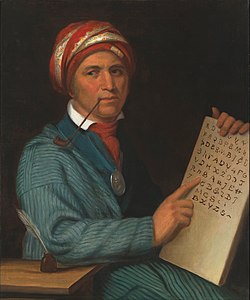 Native American people indigenous to the Southeastern United States
 Uto-Aztecan language spoken mainly in Mexico
 Mexican avocado-based dip, spread, or salad
 municipal seat of Acapulco, State of Guerrero, Mexico
 South American myth
 species of mammal
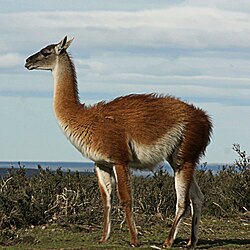 species of mammal
 state of Mexico
 species of plant, peyote
 pre-columbian civilization in Tula, Hidalgo, Mexico
 Pictogram symbolic stylized representation of something that conveys a specific information; a picture that represents a word or an idea by illustration; has a communicative aim
 genus of cactus
 occurrences and people in Canada throughout history
 state of Mexico
 culture that flourished 100 to 700 during the Regional Development Epoch in modern Peru
 species of plant
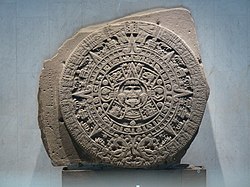 Aztec mythology collection of myths of the Aztec civilization
 descendants of the population that lived in the territory of modern Brazil before the Portuguese colonization
 president of Bolivia from 2006 to 2019
 historical region and cultural area in southern North America and most of Central America
 Ayahuasca psychoactive brew made out of Banisteriopsis caapi vine
 language family spoken primarily in the Andes region of South America
 Mestizo Spanish term to denote a person with European and Indigenous American ancestry
… and 310 more Legendary cards to discover in the game.
Epics 924
- Toba people — Indigenous group of South America of guaicurú origin
- Indigenous peoples of South America — pre-Columbian inhabitants of South America
- Maya architecture — architecture style
- Mit'a — mandatory public service in the society of the Inca Empire
- Yasuni National Park — national park in Amazonian Ecuador
- Tairona — pre-Columbian culture/civilisation of Colombia
- Luzia — Upper Paleolithic period skeleton of a Paleo-Indian woman
- Gold Museum — pre-Columbian archaeology museum in Bogota, Colombia
- Council of the Indies — administrative organ of the Spanish Empire
- Oasisamerica — pre-Columbian cultural region of North America
- Otavalo — city of Imbabura Province, Ecuador
- Micaela Bastidas — martyr of Peruvian independence
- Casas Grandes — prehistoric archaeological site in the northern Mexican state of Chihuahua
- Quimbaya civilization — archaeological culture
- Choquequirao — inca archaeological site
- Otomi language — language family
- Lacandon people — ethnic group
- Ayllu — traditional community in the Andes
- Kuelap — archaeological site
- Pachacámac — archaeological site in Peru
- Maya Hero Twins — the central figures of the Popol Vuh
- El Fuerte de Samaipata — archaeological site in Santa Cruz province, Bolivia
- Portuguese colonization of the Americas — Portuguese colonization in South America and attempts in North America
- Lord of Sipán — ruler of the Mochica culture
… and 900 more Epic cards to discover in the game.
Related topics
- Pre-Columbian Americas 660 cards
- Indigenous peoples of North America 7,174 cards
- Ethnic groups 4,918 cards
- Anthropology 4,973 cards


In the Americas booster
 Americas 714,291 cards ›
About
Mythic 25 · Legendary 334 · Epic 924 · Rare 967 · Common 205
Fame score: Wikipedia page views (July 2015 – October 2026, 39 languages). Updated .
All these cards are won by opening boosters in Did you know Cards, the free card game where you learn as you play. All topics ›
All 2,455 “Indigenous peoples of the Americas” cards in the game