Genetics: the most famous cards
The free Wikipedia card game and general-knowledge games
2,054 cards
Mythics 17
 DNA molecule that encodes the genetic instructions used in the development and functioning of all known living organisms and many viruses
 DNA molecule containing genetic material of a cell
 science of genes, heredity, and variation in living organisms
 beliefs, theories and practices aimed at changing the genetic characteristics of human populations in directions regarded as desirable
 Protein biomolecule or biomolecule complex largely consisting of chains of amino acid residues
 Amino acid organic compound containing both amino and acidic functional groups, important in biology
 large biological molecule that acts as a catalyst
 classification of blood based on antibodies and antigens on red blood cell surfaces
 change in heritable characteristics of biological populations over successive generations
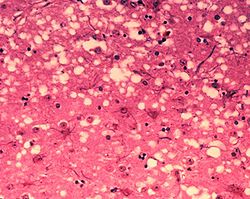 pathogenic type of misfolded protein
 group of diseases involving abnormal cell growth and spread
 sexual activity between family members or close relatives
 domesticated rodent from South America
 species of salamander
 1822 – 1884 Moravian scientist and Augustinian friar
 autosomal recessive disease characterized by the buildup of mucus
 1920 – 1958 British chemist, biophysicist, and X-ray crystallographer
The 2,054 cards of Did you know Cards linked to “Genetics”, those closest to the topic first, then by fame (how often their Wikipedia article is read, and in how many languages): DNA, Chromosome, Genetics, Eugenics… The more famous the subject, the rarer its card.
Legendaries 301
 GMO organisms whose genetic material has been altered using genetic engineering methods
 all genetic material of an organism
 rules by which information encoded within genetic material is translated into proteins
 Lactose intolerance condition involving a decreased ability to digest lactose due to a lack of lactase in the small intestines, either genetically or from injury
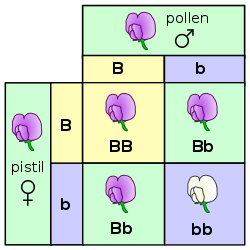 Genotype classification system categorizing organisms by genetic traits; including full hereditary info or part of genomic sequences, they are one of the three factors that determine phenotype. Organisms of the same genotype cluster in phylogenetic trees
 health problem caused by one or more abnormalities in the genome
 Human skin color skin color of an individual as a result of genetics
 single organism composed of two or more different populations of genetically distinct cells
 genetic modification of a patient's cells to produce a therapeutic effect
 explanation of the flow of genetic information within a biological system
 Gene basic physical and functional unit of heredity
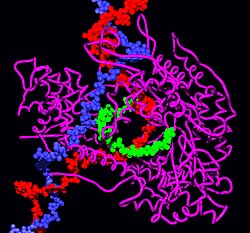 family of large biological molecules
 Ribosome intracellular organelle, site of protein biosynthesis resulting from translation of messenger RNA (mRNA), consisting of two subunits
 large biomolecules essential to known life
 biological molecules that form the building blocks of nucleic acids
 process of producing individual organisms with identical genomes
 composite of the organism's observable characteristics or traits resulting from the interaction of its genotype with the environment
 cell that fuses during fertilisation, such as a sperm or egg cell
 psychological ethological theory about human relationships
 Plasmid small DNA molecule within a cell that is physically separated from a chromosomal DNA and can replicate independently
 Red hair human hair color
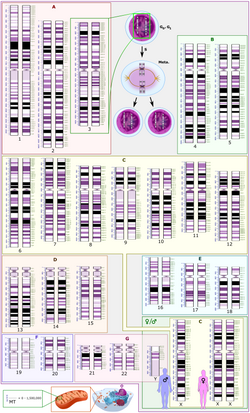 complete set of nucleic acid sequence for humans
 human hair color
 Chromatin the ordered and organized complex of DNA, protein, and sometimes RNA in cell nucleus
… and 277 more Legendary cards to discover in the game.
Epics 575
- Genetic variability — presence of, or generation of, genetic differences
- History of genetics — aspect of history
- Viral vector — biotechnology to deliver genetic material into a cell
- Mutant — organism or a new genetic character arising or resulting from an instance of mutation, which is an alteration of the DNA sequence of a gene or chromosome of an organism
- Knockout mouse — genetically modified mouse used in gene research
- Neutral theory of molecular evolution — thesis that most evolutionary changes occur at the molecular level, and that most of the variation within and between species are due to random genetic drift of mutant alleles that are selectively neutral
- Monohybrid cross — mating between two organisms with different variations at one genetic chromosome of interest
- Linkage disequilibrium — the non-random association of alleles at two or more genetic loci
- Terminator (genetics) — section of genetic sequence that marks the end of gene or operon on genomic DNA for transcription
- Complementary DNA — single-stranded complementary DNA synthesized from an RNA template
- Phenotypic plasticity — the ability of an organism to change its phenotype in response to the environment
- Heterochromatin — a compact and highly condensed form of chromatin
- Taq polymerase — class of enzymes
- TATA box — AT-rich sequence located at a fixed distance upstream of the transcription start site
- Chargaff's rules — two rules about the percentage of A, C, G, and T in DNA strands
- Start codon — first codon of a messenger RNA transcript translated by a ribosome
- Pseudogene — functionless relative of a gene
- Guanosine cyclic 3',5'-phosphate — chemical compound
- Phenotypic trait — specific feature of an organism
- Spliceosome — molecular machine that removes intron RNA from the primary transcript
- HLA-B27 — HLA B serotype
- Quantitative trait locus — DNA locus associated with variation in a quantitative trait
- Penetrance — rate of expression of a gene
- GC-content — percentage of guanine and cytosine in DNA or RNA molecules
… and 551 more Epic cards to discover in the game.
In the Science booster
 Science 282,135 cards ›
About
Mythic 17 · Legendary 301 · Epic 575 · Rare 455 · Common 706
Fame score: Wikipedia page views (July 2015 – October 2026, 39 languages). Updated .
All these cards are won by opening boosters in Did you know Cards, the free card game where you learn as you play. All topics ›
All 2,054 “Genetics” cards in the game