C/C++: the most famous cards
The free Wikipedia card game and general-knowledge games
129 cards
Mythics 2 Legendaries 49
 general-purpose programming language
 general-purpose programming language
 source code editor developed by Microsoft
 object-oriented framework for GUI creation
 database management system, relational, open source, community developed fork of MySQL
 compiler (and formerly a standalone IDE) by Microsoft
 free and libre desktop publishing application
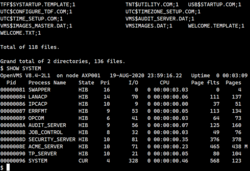 computer operating system
 compiler front-end
 framework that enables cross-platform desktop applications
 free and open-source real-time strategy video game
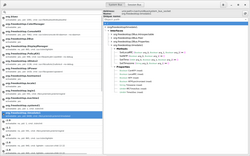 D-Bus protocol for inter-process communication on the Linux desktop
 PDF reader, free software
 desktop environment for Unix and OpenVMS operating systems
 numerical computing environment
 interpreted programming language first released in 1987
 free software Windows NT-like operating system
 open standard for programming heterogenous computing systems, such as CPUs or GPUs
 data type supported by the C programming language
 authoritative programming book by Brian Kernighan and Dennis Ritchie, the developers of the C programming language
 function to print a string according to a format string, introduced in the C programming language but supported by many languages
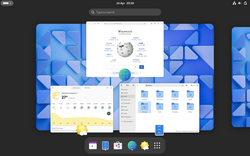 desktop environment and graphical user interface
 optimizing compiler produced by the GNU Project, key component of the GNU tool-chain and standard compiler for most projects related to GNU and the Linux kernel
 open-source desktop environment for Linux and BSD
 Source game engine developed by Valve Corporation
 multimedia framework
… and 25 more Legendary cards to discover in the game.
The 129 cards of Did you know Cards linked to “C/C++”, those closest to the topic first, then by fame (how often their Wikipedia article is read, and in how many languages): C, C++, Visual Studio Code, Qt… The more famous the subject, the rarer its card.
Epics 57
- Microsoft Foundation Class Library — programming library for C++
- RISC OS — computer operating system
- Evince — document viewer, free software
- Qt Creator — QT development environment
- Cairo (graphics) — graphics-related software library
- Okular — document viewer by KDE
- RRDtool — openSource industry standard (time series data: logging and graphing system)
- Borland Turbo C — discontinued C IDE and compiler
- Poppler — free software PDF rendering library
- MyPaint — painting free software
- PCMan File Manager — file manager application
- CodeLite — integrated development environment
- uClibc — software library
- GObject — library
- ROCm — parallel computing platform and application programming interface
- Watcom C/C++ compiler — commercial product for developing code
- Lumina — desktop environment
- Open Inventor — 3D graphics software
- Juce — C++ application framework
- Borland Graphics Interface — graphics library included with many Borland compiler products in the 1990s
- Turbo Vision — text user interface
- Vala — programming language
- Conditional operator — ternary operator "x ? y : z" in many programming languages, whose value is y if x evaluates to true and z otherwise
- Singularity — operating system
… and 33 more Epic cards to discover in the game.
In the Science booster
 Science 282,135 cards ›
About
Mythic 2 · Legendary 49 · Epic 57 · Rare 18 · Common 3
Fame score: Wikipedia page views (July 2015 – October 2026, 39 languages). Updated .
All these cards are won by opening boosters in Did you know Cards, the free card game where you learn as you play. All topics ›
All 129 “C/C++” cards in the game