Ancient Rome: the most famous cards
The free Wikipedia card game and general-knowledge games
6,304 cards
Mythics 79
 period of Ancient Rome following the Republic
 ancient Roman amphitheatre, a landmark of Rome, Italy
- country that began growing on the Italian Peninsula from the 8th century BC
 ancient Roman temple in Rome, Italy
 city in Rhineland-Palatinate, Germany
 De facto practices that exist without recognition in law or other formal norms
 c. 69 BC – 30 BC Queen of Ptolemaic Kingdom of Egypt from 51 to 30 BC
 c. 100 BC – 44 BC Roman general and dictator
 Indo-European language of the Italic branch
 63 BC – AD 14 first emperor of the Roman Empire and founder of the Julio-Claudian dynasty
 Roman Empire during Late Antiquity and the Middle Ages
 c. 5 – c. 66 Early Christian apostle and missionary (c. AD 5 – c. 64/65)
 354 – 430 Christian theologian, philosopher, and saint
 121 – 180 16th Roman Emperor from 161 to 180 and Stoic philosopher
 numbers in the Roman numeral system
 107 BC – 43 BC Roman statesman, lawyer, orator, and philosopher
 37 – 68 fifth and last Roman Emperor of Julio-Claudian dynasty
 capital of the Eastern Roman, Latin and Ottoman Empires, currently Istanbul, Turkey
 god in Greek and later Roman mythology
 c. 272 – 337 Roman emperor from 306 to 337 and first to convert to Christianity
 70 BC – 19 BC Roman poet (1st century BC)
 12 – 41 third Roman emperor
 247 BC – 183 BC Carthaginian general (247–183/181 BC)
 ancient Homeric-era city in northwest Asia Minor; it is known as the setting for the Greek myth of the Trojan war
… and 55 more Mythic cards to discover in the game.
The 6,304 cards of Did you know Cards linked to “Ancient Rome”, those closest to the topic first, then by fame (how often their Wikipedia article is read, and in how many languages): Roman Empire, Colosseum, Ancient Rome, Pantheon… The more famous the subject, the rarer its card.
Legendaries 1,211
 traditional stories pertaining to ancient Rome's legendary origins and religious system
 Ancient Roman center of the city, a landmark of Rome, Italy
 legal system of ancient Rome and later the Roman and Byzantine Empire
 Purple range of colors with the hues between blue and red
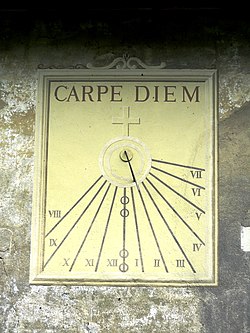 Carpe diem Latin phrase
 Memento mori artistic or symbolic reminder of the inevitability of death
 Jupiter chief deity of Roman state religion
- De jure Latin expression, roughly meaning 'by law', often opposed to 'de facto', meaning 'in fact' or 'in practice'
 Saturn god in ancient Roman mythology
 Roman god of trade, merchants, thieves and travel
 Roman god of water, particularly the sea, considered equivalent to the Greek Poseidon
 Latin initialism for "The Senate and People of Rome"
 Roman deity
 simple and widely known encryption technique
 Veni, vidi, vici Latin phrase meaning "I came, I saw, I conquered" popularly attributed to Julius Ceasar
 Italian comune
 lyric Latin poet of the Roman Republic
 art of persuasion, one of the three ancient arts of discourse
 period in European history with large migration of peoples, from the 4th to the 6th centuries
 series of three wars fought between Rome and Carthage from 264 BC to 146 BC, at the time probably the largest wars that had ever taken place
 ancient city in Homs Governorate, Syria
 Visigoths Germanic people of late antiquity and the early Middle Ages
 combatant who entertained audiences in the Roman Republic and Roman Empire
 confederation of Germanic tribes on the North German Plain
… and 1,187 more Legendary cards to discover in the game.
Epics 2,402
- Social class in ancient Rome — Roman status by ancestry, name, census rank, wealth, political privilege, and or citizenship
- Marriage in ancient Rome — social institution in the classical Roman civilization
- Nobiles — nobles of ancient Rome
- Economy of Ancient Rome — economy of the ancient Roman civilization
- Music of ancient Rome — musical traditions of ancient Rome
- Second Latin War — wars fought between ancient Rome (including both the Roman Kingdom and the Roman Republic) and the Latins, from the earliest stages of the history of Rome until the final subjugation of the Latins to Rome in the aftermath of the Latin War
- Publican — occupation in antiquity
- Marcus Gavius Apicius — 1st century BC Roman aristocrat and gourmet
- Forum of Caesar — The Forum of Caesar, also known by the Latin Forum Iulium or Forum Julium, Forum Caesaris, was a forum built by Julius Caesar near the Forum Romanum in Rome in 46 BC.
- Roman Theatre of Emerita Augusta — ancient Roman theatre in Merida, Spain
- Pontiff — generic term for a religious office
- Cardo — one of the main streets of the Roman cities
- Procurator — title of various officials of the Roman Empire
- Pugio — knife, blade weapon
- Serapeum — temple dedicated to the Greco-Egyptian deity Serapis
- Pace (unit) — unit of length
- Praetorium — primarily the commander’s residence in Roman imperial military bases but also by extension an emperor or governor's non-urban residence; compare with principia
- Battle of Watling Street — battle that took place in Roman-occupied Britain in AD 60 or 61
- Relizane — municipality of Algeria
- Counsel — person who advises on legal matters
- Decumanus — a street of the Roman cities heading from East to West
- Century Assembly — Roman assembly that elected all magistrates holding imperium
- Turnus — mythical character King of the Rutuli
- Roman tribe — grouping of Roman citizens for voting
… and 2,378 more Epic cards to discover in the game.
Related topics
- Ancient Greece and Rome 12,032 cards
- Ancient warfare 2,716 cards
- Roman and Byzantine military history 2,159 cards
- Roman Empire 1,202 cards
- Archaeology 18,611 cards
- Rome 2,196 cards
- Greek history 1,728 cards
- Byzantine world 1,629 cards
- Roman mythology 367 cards
- Latin 733 cards
- Roman and Byzantine emperors 223 cards
- Phoenicia and Carthage 903 cards


In the Europe booster
 Europe 1,815,885 cards ›
About
Mythic 79 · Legendary 1,211 · Epic 2,402 · Rare 1,808 · Common 804
Fame score: Wikipedia page views (July 2015 – October 2026, 39 languages). Updated .
All these cards are won by opening boosters in Did you know Cards, the free card game where you learn as you play. All topics ›
All 6,304 “Ancient Rome” cards in the game