Latin: the most famous cards
The free Wikipedia card game and general-knowledge games
733 cards
Mythics 22
 writing system used to write most Western, Northern and Central European languages
 Latin alphabet alphabet used to write the Roman Latin language, then adapted and used in most languages of the world
 Indo-European language of the Italic branch
 Romance group of Indo-European languages, direct descendants of Vulgar Latin
 type of placeholder text
 epic poem by Virgil
 Habeas corpus court action challenging unlawful detention
 c. 100 BC – 44 BC Roman general and dictator
 country that began growing on the Italian Peninsula from the 8th century BC
 107 BC – 43 BC Roman statesman, lawyer, orator, and philosopher
 70 BC – 19 BC Roman poet (1st century BC)
 c. 4 BC – AD 65 Roman Stoic philosopher, statesman and dramatist
 c. 1478 – 1535 English statesman, lawyer and philosopher
 43 BC – AD 17 Roman poet (43 BC – 17/18 AD)
 1466 – 1536 Dutch Renaissance humanist, Catholic priest, and theologian
 1882 – 1971 Russian, French, and American composer
 1304 – 1374 Italian scholar and poet
 Anno Domini Western calendar era
 1537 – 1554 Queen of England and Ireland in July 1553
 1608 – 1674 English poet and civil servant
 c. 20 – 79 Roman military commander and writer (AD23/24–79)
 c. 55 – c. 120 Roman historian and senator
The 733 cards of Did you know Cards linked to “Latin”, those closest to the topic first, then by fame (how often their Wikipedia article is read, and in how many languages): Latin script, Latin alphabet, Latin, Romance… The more famous the subject, the rarer its card.
Legendaries 159
 De jure Latin expression, roughly meaning 'by law', often opposed to 'de facto', meaning 'in fact' or 'in practice'
 Veni, vidi, vici Latin phrase meaning "I came, I saw, I conquered" popularly attributed to Julius Ceasar
 4th-century Latin translation of the Bible mainly by Jerome
 collection of medieval Latin poetry
 Catholic motto in Latin: God wills it
 Latin phrase meaning "something for something"
 Latin phrase that translates literally to "on site"; used to describe the location of something in its customary or unaltered place or position
 episode in which Pontius Pilate presents Jesus Christ to the people, from the Latin words used by Pilate in the Vulgate translation of John 19:5
 Mens sana in corpore sano Latin phrase, usually translated as "a healthy mind in a healthy body"
 Homo homini lupus latin proverb
 Latin phrase
 Primus inter pares Latin phrase meaning "first among equals"
 Latin legal phrase
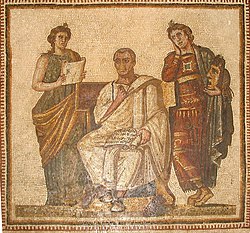 Latin-language literature literature written in Latin, and the discipline that studies it
 1st century Latin work of fiction attributed to Petronius
 Nota bene Italian and Latin phrase
 Sapere aude latin phrase
 Et cetera Latin expression
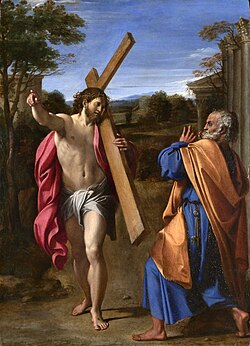 Quo vadis? Latin phrase
 Mea culpa Latin phrase acknowledging wrongdoing
 Latin phrase
 Annus horribilis Latin phrase meaning "horrible year"
 In hoc signo vinces latin motto
 Tempus fugit Latin phrase
… and 135 more Legendary cards to discover in the game.
Epics 289
- Audi alteram partem — Latin phrase often seen used as title in legal documents or as decorative motto in courtrooms as symbolic of good government; aka "hear both sides"; "listen to the other side"
- Ars Poetica — Latin poem by Horace, written ca. 19 BC, about the art of writing poetry and drama
- Dum spiro spero — Latin phrase
- Patrologia Latina — collection of the writings of the Church Fathers and other ecclesiastical writers published by Jacques-Paul Migne between 1844 and 1855
- Corpus Inscriptionum Latinarum — comprehensive collection of ancient Latin inscriptions
- Amores — first-century BC collection of poetry in Latin by Ovid
- Vi veri universum vivus vici — modern Latin phrase, meaning "By the power of truth, I, while living, have conquered the universe"
- Assumption of Moses — Jewish pseudepigraphical work, surviving in a 6th century Latin manuscript, purporting to describe secret prophecies that Moses revealed to Joshua
- Fiat iustitia, et pereat mundus — latin phrase
- Sit tibi terra levis — Latin inscription on funerary items
- Praeneste fibula — 7th-century BC Old Latin inscription
- Hic Rhodus, hic salta — Latin phrase
- Ex aequo et bono — latin maxim
- Omnia mea mecum porto — latin quote
- Labor omnia vincit — Latin phrase
- Fiat justitia ruat caelum — Latin phrase
- Gesta Romanorum — medieval Latin collection of anecdotes and tales
- Nova Vulgata — official Catholic Classical Latin translation of the original language texts of the Bible
- Adelphoe — Latin comic play by Terence
- Heauton Timorumenos — Latin comic play by Terence
- Ultra vires — legal concept meaning powers are exceeded
- De vulgari eloquentia — essay by Dante Alighieri
- Aulularia — ancient Roman play by Plautus
- Ipse dixit — assertion without proof
… and 265 more Epic cards to discover in the game.
About
Mythic 22 · Legendary 159 · Epic 289 · Rare 201 · Common 62
Fame score: Wikipedia page views (July 2015 – October 2026, 39 languages). Updated .
All these cards are won by opening boosters in Did you know Cards, the free card game where you learn as you play. All topics ›
All 733 “Latin” cards in the game