Jewish history: the most famous cards
The free Wikipedia card game and general-knowledge games
4,536 cards
Mythics 107
 city in the German state of Bavaria
 born 1983 American actor
 1939–1945 global conflict
 1889 – 1945 Dictator of Germany from 1933 to 1945
 country in West Asia
 1879 – 1955 German-born theoretical physicist
 most populous city in the United States
 1878 – 1953 politician and leader of the Union of Soviet Socialist Republics from 1924 to 1953
 1870 – 1924 Russian revolutionary, politician, political theorist, and founder of the Soviet Union
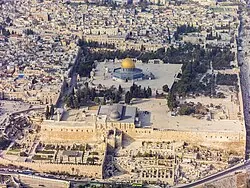 city in the Middle East, holy to the three Abrahamic religions
 Abrahamic monotheistic ethnic religion of the Jews
 genocide of around 6 million Jews by Nazi Germany, other Axis powers and local collaborators in occupied territories
 1483 – 1546 German priest and theologian
 ethnoreligious group and nation from the Levant
 1929 – 1945 German-born Dutch Jewish diarist and Holocaust victim
 1884 – 1972 president of the United States from 1945 to 1953; politician
 1346–1353 pandemic in Eurasia and North Africa
 c. 5 – c. 66 Early Christian apostle and missionary (c. AD 5 – c. 64/65)
 Northwest Semitic language
 born 1941 United States Senator from Vermont
 ideology of the German Völkisch movement in the 20th century
 American white supremacist hate group
 1863 – 1947 American business magnate
 German network of concentration and extermination camps in occupied Poland during World War II
… and 83 more Mythic cards to discover in the game.
The 4,536 cards of Did you know Cards linked to “Jewish history”, those closest to the topic first, then by fame (how often their Wikipedia article is read, and in how many languages): Nuremberg, Jonah Hill, World War II, Adolf Hitler… The more famous the subject, the rarer its card.
Legendaries 682
 period in Jewish history during which a number of people from the ancient Kingdom of Judah were captives in Babylon
 Jewish history history of the Jews, and their nation, religion and culture
 lunisolar calendar used for Jewish religious observances
 Messiah saviour or liberator of a group of people, most commonly in the Abrahamic religions
 ancient Jewish sect
 history of the Land of Israel
 antisemitic laws in Nazi Germany
 Hebrews Hebrew-speaking ethnic and national groups from Canaan
 town and administrative center of the Jewish Autonomous Oblast in the far east of Russia
 national anthem of Israel
 city of Ternopil Oblast, Ukraine
 judge of ancient Israel, known for wielding supernatural strength (Judges)
 posthumously published, compiled and edited literary work based on Anne Frank's diaries, distinct from its individual editions and publications
 Games of the XI Olympiad, in Berlin, Germany
 Member of the House of Battenberg
 ancient city in Homs Governorate, Syria
 concentration camps operated by Nazi Germany
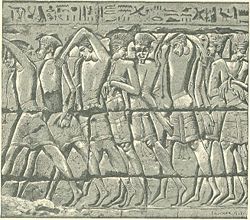 ancient people known for their conflict with the Israelites described in the Bible
 structures on the Temple Mount in Jerusalem serving as Israelite religious centers
 Pogrom violent attack on an ethnic or religious group, either approved or conducted by the local authorities
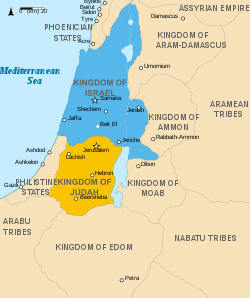 Israelite Kingdom, whose capital was Jerusalem and Hebron, c. 930–586 BC
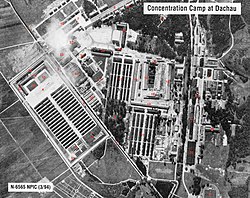 Nazi concentration camp in Bavaria, with the center in the town of Dachau and a large number of geograhically distributed subcamps
 ethnoreligious group native to the Levant
 Italian chemist, partisan, Holocaust survivor, and writer
… and 658 more Legendary cards to discover in the game.
Epics 1,451
- Historical books — one of four divisions in the Christian Old Testament
- History of the Jews in Spain — aspect of history
- History of the Jews in Japan — aspect of history
- Pidyon haben — Jewish ceremony
- History of the Jews in the United States — aspect of history
- Jehoash of Israel — King of Israel
- Siege of Banu Qurayza — 627 Muslim victory in Dhul Qa‘dah
- Testaments of the Twelve Patriarchs — apocryphal scripture connected with the Bible
- Portuguese Inquisition — system of tribunals enforcing Catholic orthodoxy
- Michael Green — American television and film writer, as well as a comic book scripter
- Qahal — theocratic organizational structure in ancient Israelite society according to the Hebrew Bible, excluding mamzerim and eunuchs; in later eras, used as the name of the autonomous governments of Ashkenazi Jews until abolition in the 1840s
- Aliyah Bet — illegal immigration by Jews to Mandatory Palestine in the 1930s and 1940s
- Dhiban — town in Jordan
- Herod II — son of Herod the Great of Judea and Mariamne II (c. 27 BC - 33/34 AD)
- Gush Katif — former bloc of 21 Israeli settlements in the southern Gaza strip
- Italian Jews — ethnic group
- Menahem — 8th century BC King of Israel
- The Jew of Malta — play by Christopher Marlowe
- Amoraim — Jewish scholars of the period from about 200 to AD 500
- Aristobulus II — Jewish High Priest and King of Judea, 66 BC to 63 BC
- Second Aliyah — Period of Jewish immigration to Palestine between 1903 and 1914
- Iași pogrom — series of pogroms against the Jewish community of Iași in 1941
- 3 Maccabees — book about persecution of the Jews in Ptolemaic Egypt
- Jewish music — music and melodies of the Jewish people
… and 1,427 more Epic cards to discover in the game.
Related topics
- Judaism 10,370 cards
- Ancient Near East 3,679 cards
- Bible 4,719 cards
- Nazism 2,494 cards
- Palestine 5,330 cards
- Discrimination 2,386 cards
- Holocaust 1,533 cards


In the History booster
 History 290,975 cards ›
About
Mythic 107 · Legendary 682 · Epic 1,451 · Rare 1,784 · Common 512
Fame score: Wikipedia page views (July 2015 – October 2026, 39 languages). Updated .
All these cards are won by opening boosters in Did you know Cards, the free card game where you learn as you play. All topics ›
All 4,536 “Jewish history” cards in the game